


12 Oct 2026
Brand Identity
Brand Guidelines: What to Include, Real Examples, and How to Build Yours


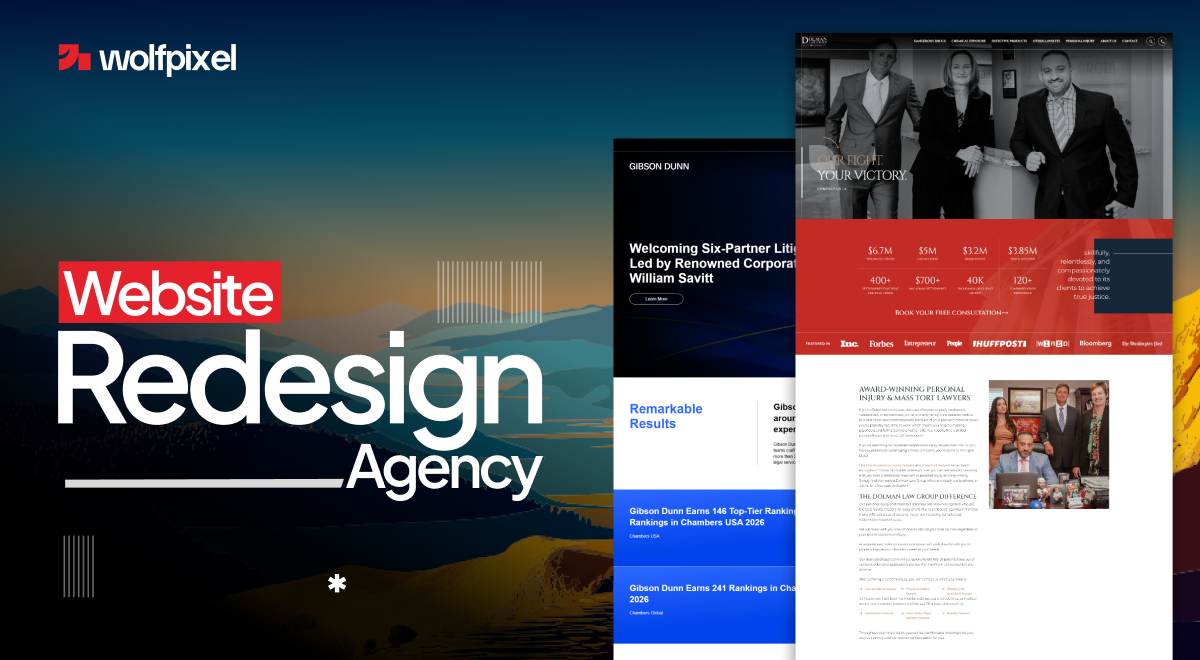
A website redesign agency rebuilds an outdated or underperforming site into one that loads fast, reads clearly, and turns visitors into leads. The keyword there is turns. Most owners come to a redesign wanting new colors and a fresher layout, but the real job is to fix why the current site is losing business. Get that right and the site starts working for you instead of against you.
The numbers explain the urgency. Studies have long shown that around three quarters of people judge a company's credibility by its website, and research popularized by Forrester put the return on user experience at roughly one hundred dollars for every dollar invested. Add that most of your traffic now arrives on a phone, and a slow or dated site is quietly costing you leads every day. A good redesign agency exists to stop that leak.
I have run a design studio for years, so this guide is the honest version. What a redesign really costs, what changes the price, how to choose a partner without wasting budget, and how to keep the Google rankings you already have. Whether you are a local business or a B2B company in the US, the UK, or New Zealand, the logic is the same.
You likely need a redesign when your site is slow, hard to use on a phone, or no longer matches the business you have become. Those three alone quietly send visitors to competitors before they ever read your offer.
A few clearer signals. Your bounce rate is high and time on page is low. For clinics and other trust-heavy sites, these signals show up even faster, see our healthcare website design examples. Leads have dried up even though traffic is steady. The design looks dated next to the companies you compete with. You are embarrassed to send the link. Or the site was built for the company you were three years ago, not the one you are now. Most industry leaders refresh their site every eighteen to thirty months for exactly these reasons.
A law firm website needs the same careful redesign thinking: make attorney expertise, practice areas, and the next step easy to find so prospective clients can assess fit before booking a consultation.
If your website looks outdated, loads slowly, or fails to convert visitors into customers, it’s time for a redesign. At Wolfpixel, we build high-converting websites designed to increase trust, engagement, and conversions.


A website redesign agency takes a site that is not pulling its weight and rebuilds it to perform, covering strategy, UX, UI, copy, build, and the launch. The strongest agencies treat it as a strategy project that happens to involve design, which is the opposite of a fresh coat of paint.
That means they start with questions, not mockups. What job is this site supposed to do, who is it for, and where does each page sit in the buyer journey. Only after that comes structure, then design, then a clean fast build, then measurement after launch. A team that skips straight to visuals is the reason so many redesigns look newer but still do not convert.
The difference comes down to how deep the work goes. A refresh updates the surface, new colors, fonts, and images, while the structure stays the same. A redesign rethinks the structure and the journey itself, so it is the right call when the site looks fine but still does not convert. A rebuild replaces the platform or code underneath, which you need when the site is slow, insecure, or stuck on outdated technology.
Here is the pattern I see most often. Businesses come to us certain they need a quick refresh, and the real problem turns out to be structure, not paint. Spending on new visuals when the journey is broken is the most common way to waste a redesign budget.
A website redesign usually costs between $2,000 and $150,000, and most business sites land somewhere in the $10,000 to $50,000 range. The spread is wide because a five page refresh for a local business and a full platform rebuild for an enterprise are not the same project.
What changes the price comes down to a handful of factors, and this is where most surprise invoices come from. The number of pages and templates. Custom design versus a themed template. The platform and whether you are migrating from one system to another, for example WordPress to Webflow or Magento to Shopify. Whether copywriting and content are included. Integrations like a CRM, booking, or e commerce checkout. Custom illustration or animation. And the partner type, since an agency, a freelancer, and a subscription design team price the same work very differently.
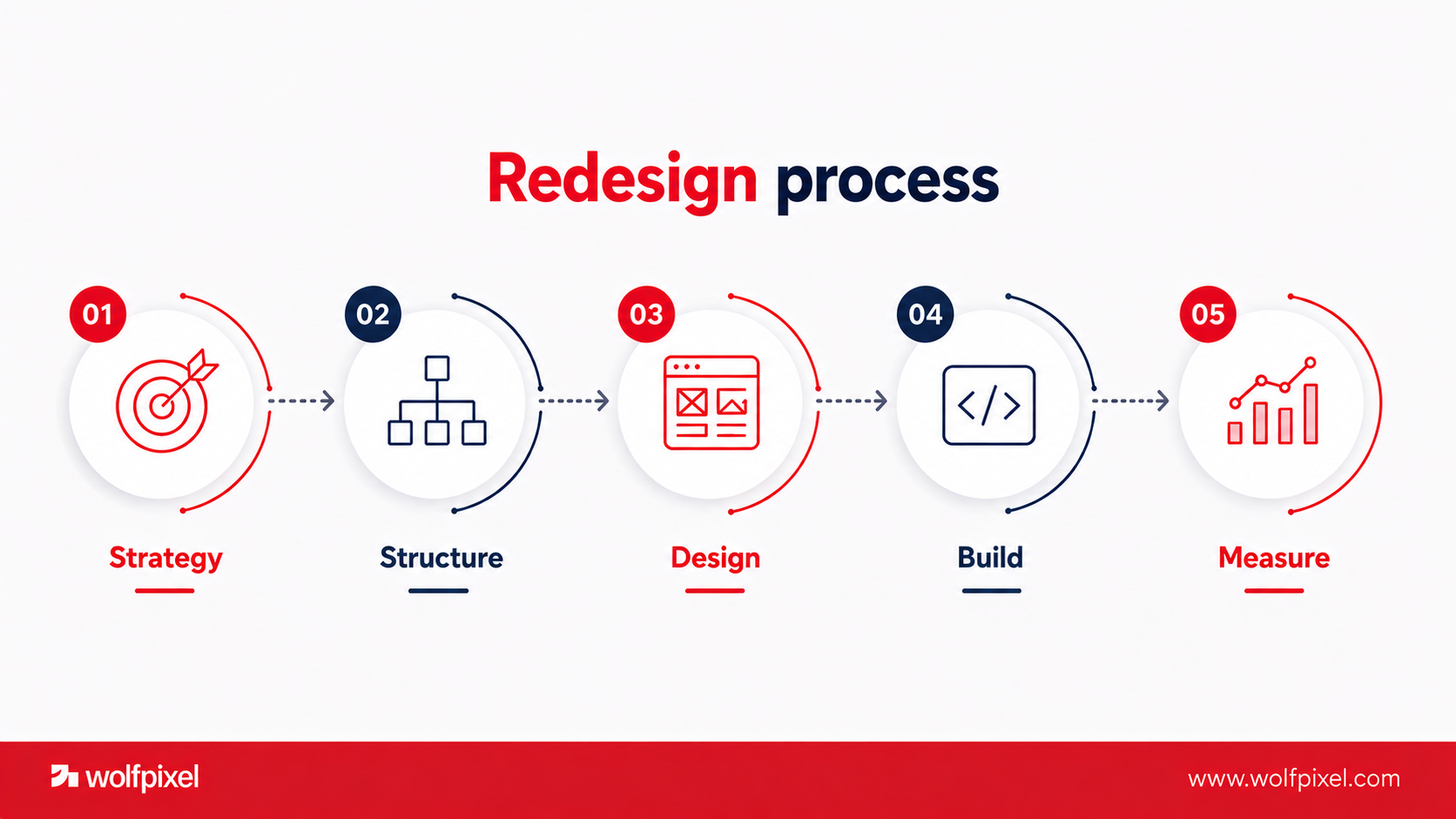
A solid redesign moves through five clear stages, so you always know what happens next. First, a brief and discovery to define what the site must do and for whom. Second, a UX audit and research to find where the current site loses people. Third, structure and wireframes that map the journey before any visuals. Fourth, design and a fast, mobile friendly build. Fifth, launch, then monitoring and refinement once real users arrive.
The last stage is the one weak agencies skip. A good partner does not hand you a finished site and disappear. They watch performance after launch, see what is working, and help you improve it over time.
A redesign worked when the numbers that matter to your business move, not when the site simply looks nicer. Set a baseline before launch, then track a short list of metrics for the next sixty to ninety days: conversion rate on your key pages, leads or demos booked, bounce rate and time on page, page speed and Core Web Vitals, and organic traffic and rankings.
The agencies worth hiring set these targets with you up front and review them after launch. That one habit is the line between design treated as a cost and design treated as an investment.
Yes, a redesign can protect and even improve your rankings, but only if SEO is built in from the start rather than bolted on at the end. The nightmare stories you hear, where traffic falls off a cliff after launch, almost always come from skipping this.
A careful agency maps every old URL to its new one with 301 redirects, keeps your proven page content and keywords, preserves title tags and meta descriptions, and runs a technical check for speed, crawlability, and mobile before going live. If an agency cannot explain how they handle redirects and content migration, that is your signal to keep looking.
Start by matching the agency to your goal, because a portfolio that looks great for a restaurant may be wrong for a SaaS product. The buyer, the sales cycle, and the metric that matters should shape who you hire.
Ask for results, not just screenshots. Pretty work does not pay the bills, so ask what happened to traffic, leads, or revenue after their past redesigns.
Check for industry fit. A B2B website redesign agency thinks about long sales cycles and buying committees, while a local business needs trust signals and easy contact. Make sure they have done work like yours.
Confirm the process and the people. Find out who you will actually work with day to day, how often you will see progress, and how they handle revisions.
Ask how they protect your SEO. This one question separates the pros from the rest, which is why it earned its own section above.
Talk to a past client. Not a written testimonial, an actual conversation. Ask what surprised them and whether they would hire the agency again.
Ask these five questions before you sign, because the answers tell you more than any portfolio can. A confident agency will welcome them, and a weak one will dodge.
Walk away when an agency cannot show results, will not explain its process, or gets vague about SEO. Those three alone predict most disappointing redesigns.
A few more warning signs. It shows only pretty screenshots and never outcomes. It quotes a price with no clarity on scope. It hands your work to juniors after the sales call. It promises a launch date but has no plan for after launch. Or it pushes trends you never asked for instead of listening to your goals.
If you want a starting shortlist, these website redesign agencies each own a clear strength. Match the pick to your project rather than to the biggest name.
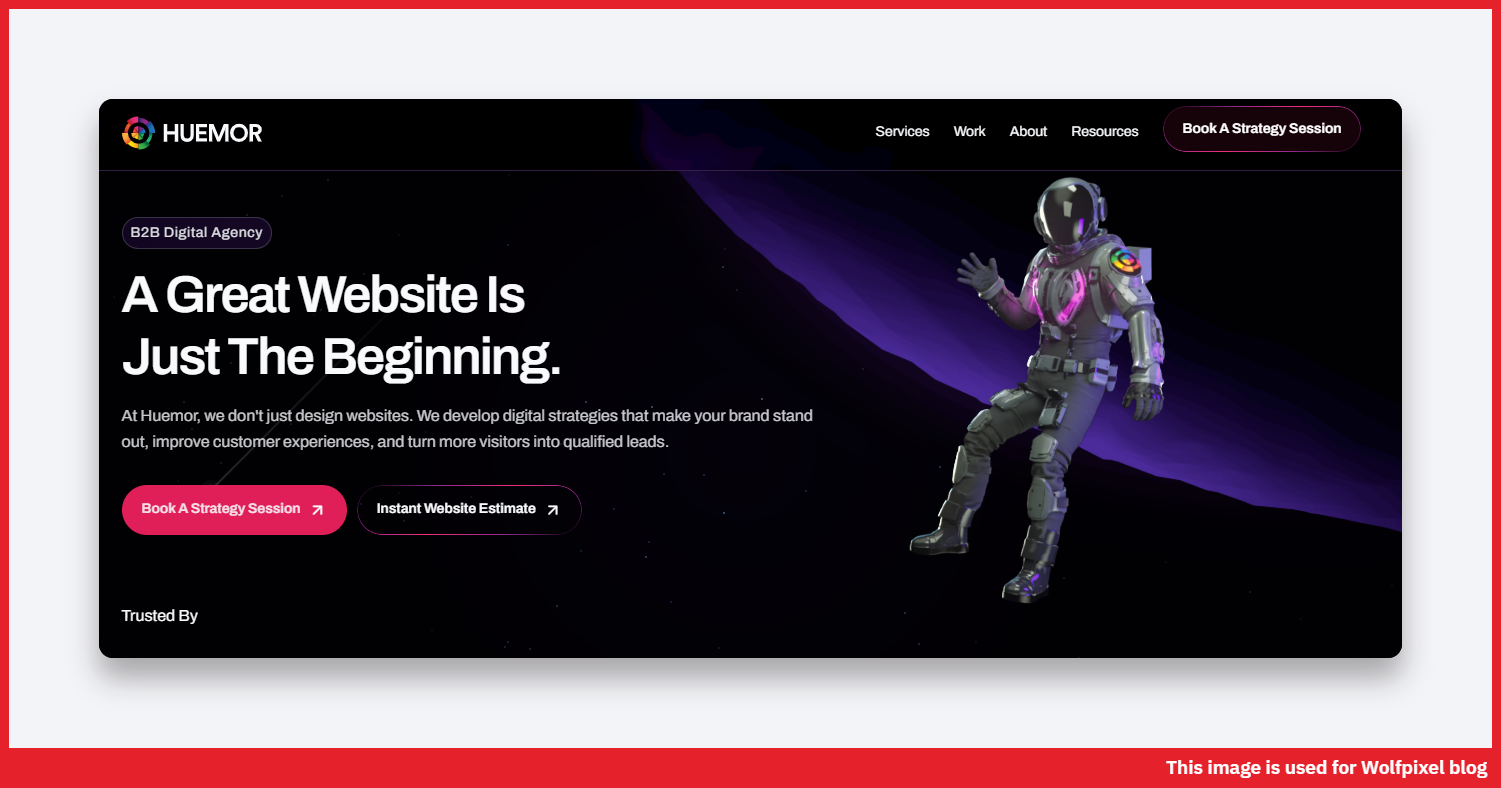
Huemor builds redesigns that stand out in a market where most sites look the same. They lean into custom illustration, interactive product tours, and a distinct voice, with clients like BetterCloud and Boston Dynamics, so your site is remembered after the tab closes. Choose them when your marketing site is your main conversion asset and you want it to feel unlike anyone else. The trade off is that they are premium and strongest on marketing sites, so they are less of a fit for deep in product UX or a tight budget refresh.
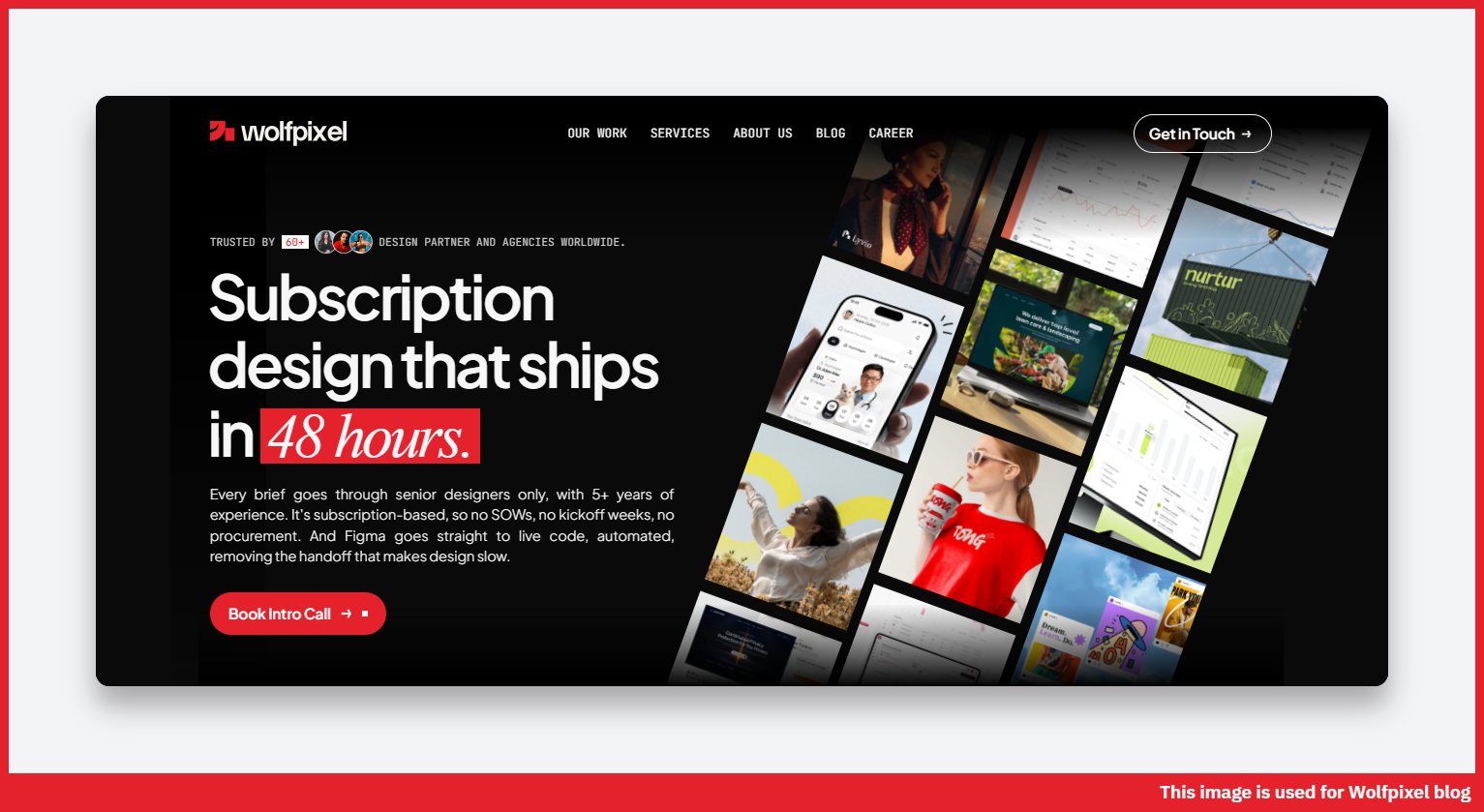
Wolfpixel is a design studio built to make redesigns fast, senior, and focused on conversions rather than trends. Here is the inside view, since this is my team. Every brief lands on a designer with five or more years of experience, with no junior cycles and no procurement drag, so work that usually takes months ships in a fraction of the time, and before we ever get on a call our free AI audit tool shows exactly where your site loses visitors. We work with business owners and SaaS founders who are past the early stage, and clients tell us the same thing in their reviews, that we turned a basic or dated site into something clear, modern, and built to convert. The honest trade off is that we are younger and leaner than the big shops here, and we are built for B2B and SaaS, so we are not the pick for a bargain template job or a consumer e commerce brand.
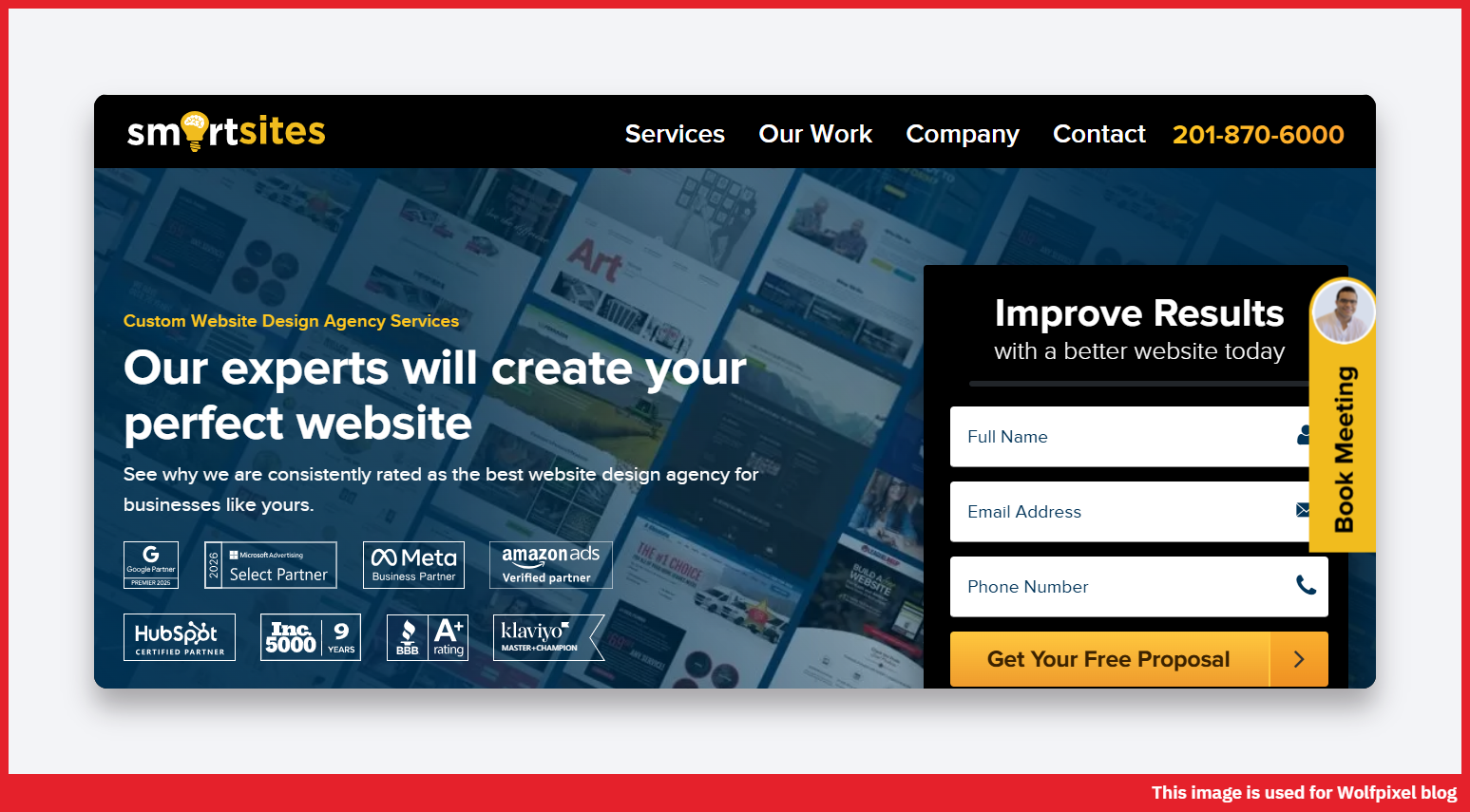
SmartSites pairs redesign work with search and paid media, which makes it a fit when your real goal is more leads, not just a nicer site. They are highly rated on Clutch and lean hard on data, tracking what happens to traffic and conversions after launch across a wide range of industries. Choose them when you want design and marketing under one roof and measurable lead generation is the priority. The trade off is that the work is marketing led, so it is less about high craft brand storytelling and more about performance.
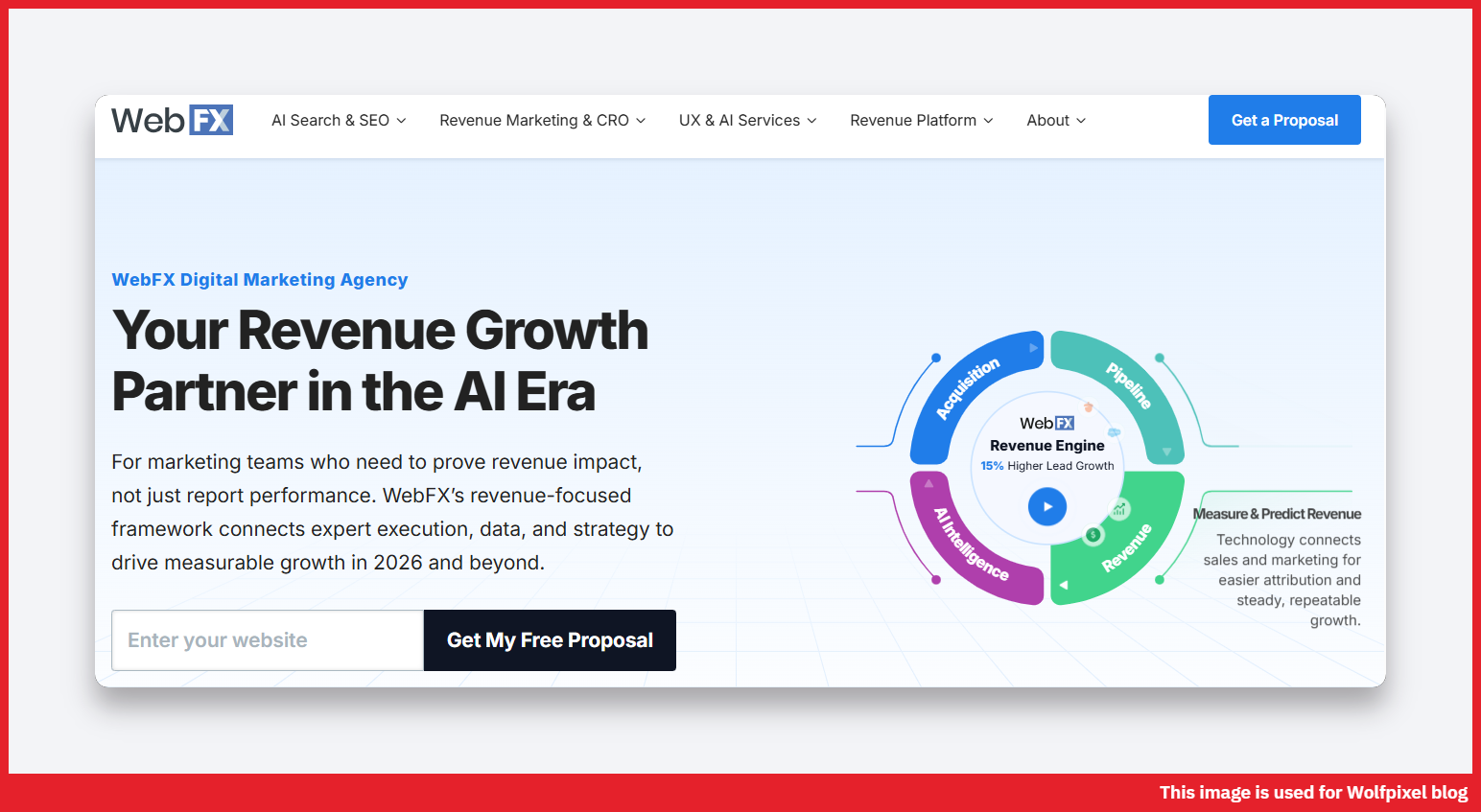
WebFX is a large, performance driven agency that treats a redesign as a lever for revenue, not just appearance. With a big team and proprietary reporting tools, they focus on lifting traffic, engagement, and conversions for companies of all sizes. Choose them when you want a proven, data heavy partner and the scale to handle a complex site. The trade off is that a big agency can feel process heavy, and the emphasis leans toward marketing ROI over boutique design craft.
Clay is where sleek visuals meet serious brand strategy, and few teams execute at their level. Working with clients like Sony, Coca-Cola, and Toyota, they have built a reputation for blending branding and UX into experiences people remember, with typography, motion, and the small details all landing. They are a strong fit when your site needs to feel premium and you have the budget to match. The trade off is exactly what you would expect. That polish carries a premium price, and they lean more toward brand led experiences than deep, behavior first product research.
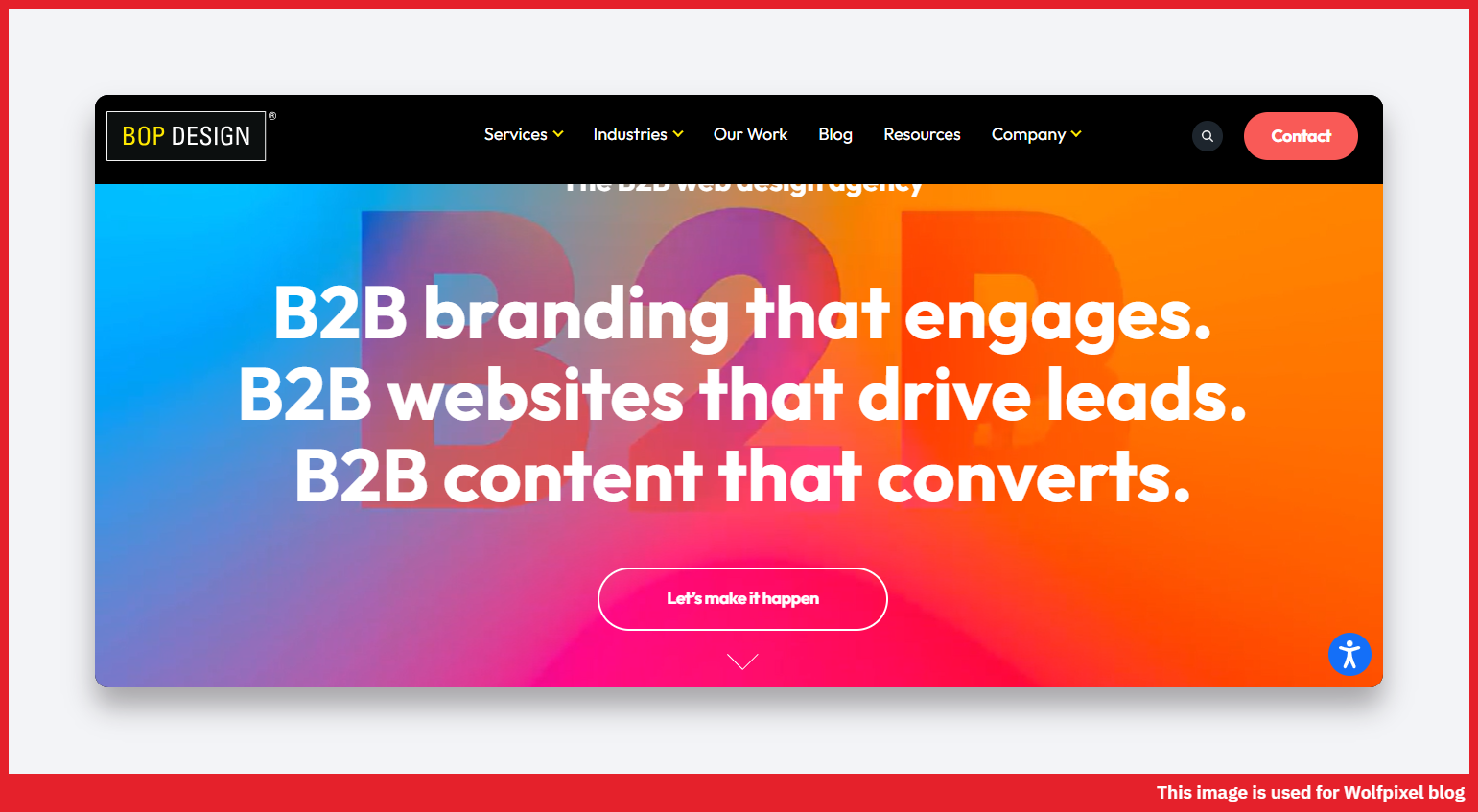
Bop Design is a boutique agency that ties messaging and design together, which is why their B2B redesigns feel clear and trustworthy rather than just pretty. They work with law firms, tech companies, and manufacturers, tailoring each project to a specific business goal and buyer. Choose them when you are a B2B company that needs sharper positioning as much as a new look. The trade off is that they are focused on B2B and boutique in size, so they are less suited to e commerce or very large enterprise builds.
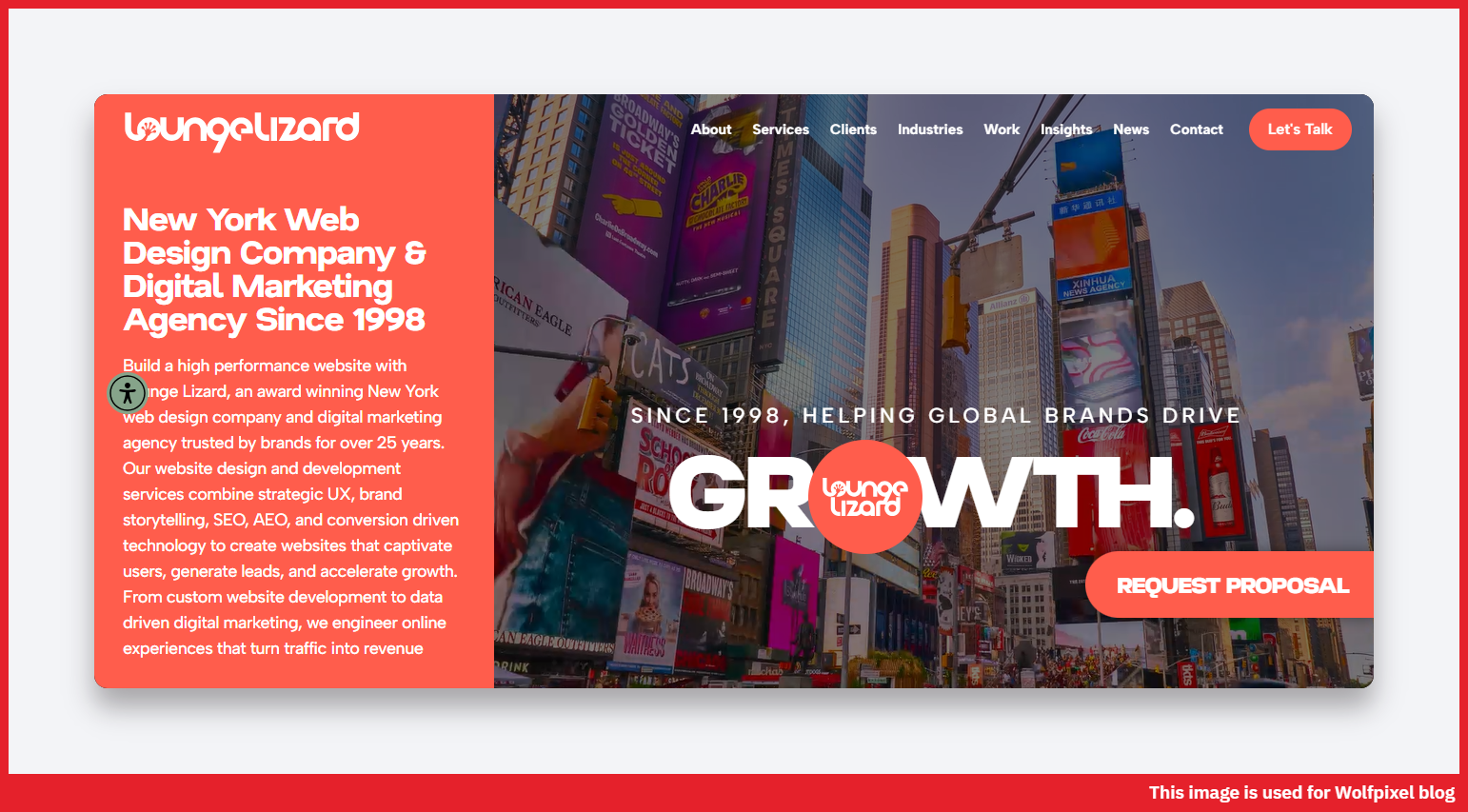
Lounge Lizard has more than two decades of redesign work and a shelf of awards to show for it, blending branding, marketing, and technical build under one roof. That longevity makes them a safe, well rounded choice for businesses that want one experienced team to handle everything. Choose them when you value a proven full service partner over a narrow specialist. The trade off is that a generalist studio may not go as deep on a specific niche as a focused agency would.
Wolfpixel is a design studio built to make redesigns fast, senior, and focused on conversions rather than trends. Since 2021 we have worked with business owners and SaaS founders who are past the early stage, companies with traction that need a site to match. Every brief lands on a senior designer with five or more years of experience, with no junior cycles and no long procurement, so work that usually takes months can ship in a fraction of the time. See a redesign we shipped for a SaaS brand in the Zyntra case study.
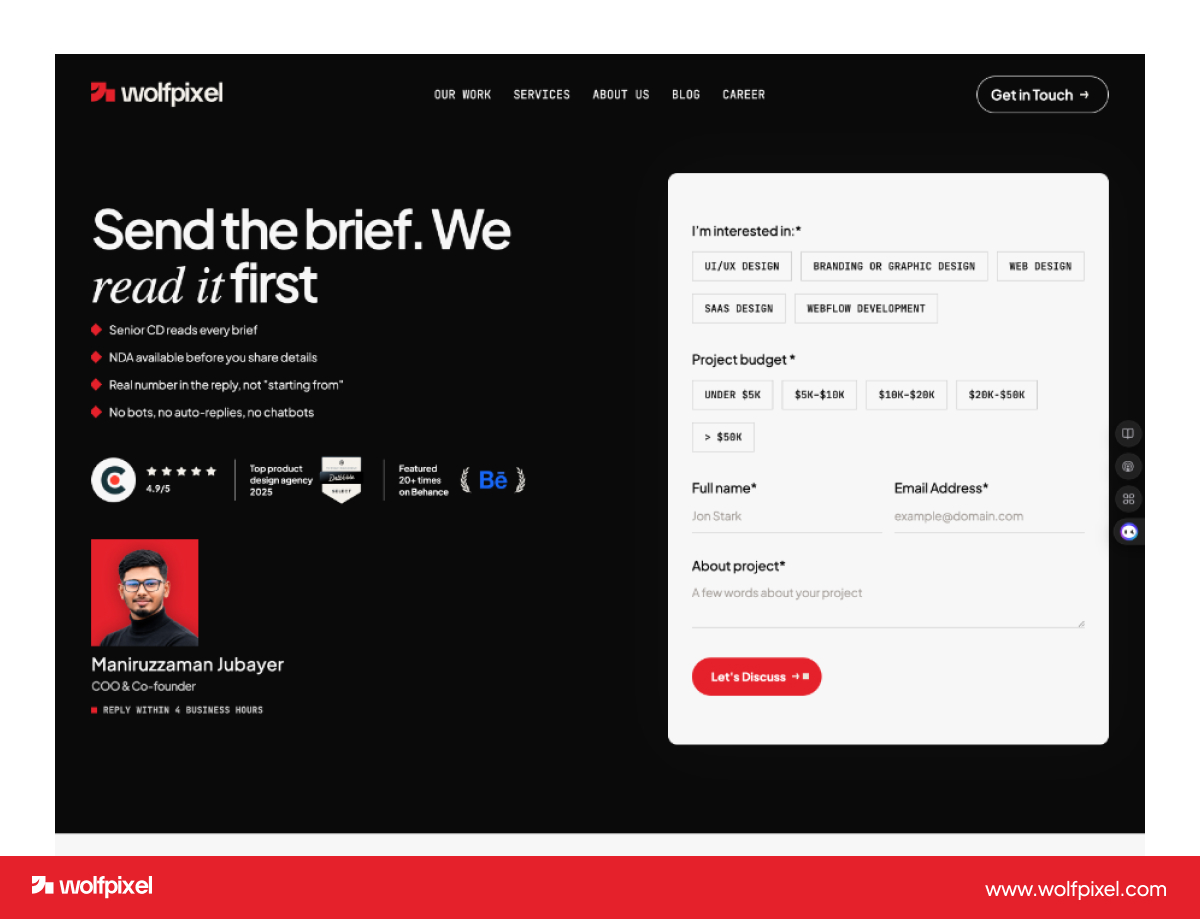
Here is the part I am proud of. Before we ever get on a call, our free AI audit tool scans your site and shows where visitors drop off, with no meetings and no fluff. From there our redesigns start with one question, what does this site need to do and for whom, and the answer drives everything else. Clients tell us the same thing in their reviews, that we took a basic or dated site and turned it into something clear, modern, and built to convert. If your current site is not doing that job, that is exactly the problem we exist to fix.
The track record backs it up. Between 2022 and 2026 the team earned more than twenty five design badges and awards, keeps a portfolio of live work on Dribbble and Behance, and holds strong client reviews on Clutch. One client summed it up by saying we took their very basic site and turned it into something they were proud to share. That is the outcome we design for every time.




.svg)



.svg)

.svg)

.svg)

.svg)

.svg)
.svg)
