


16-09-2026
UI/UX
Build your best healthcare web design with these 11 examples.



Picking the right UI/UX design agency in the USA can quietly decide whether your SaaS product grows or stalls. The wrong partner hands you pretty screens; the right one hands you activation, retention, and revenue. And the stakes are higher than most founders think, roughly 70–80% of SaaS users abandon a product before they ever reach its core value, and weak onboarding and UX design cause most of that drop-off.
So let me save you the long search. The top UI/UX agencies in the USA for SaaS in 2026 are Wolfpixel, Clay, Linkup ST, Momentum Design Lab, Goji Labs, Eleken, Neuron, Dreamten, Lounge Lizard, and Meticular, and the best one for you depends less on who looks impressive and more on your product stage, your budget, and whether you need research, branding, or speed first.
I run design at Wolfixel, so I'll be upfront: we're on this list, and I'll tell you exactly where we fit and where someone else fits better. I've spent the last few years shipping the unglamorous parts of SaaS, onboarding, dashboards, billing flows, the screens that actually decide whether a trial converts. That work taught me what these lists usually skip: a beautiful portfolio tells you nothing about whether a team can cut your churn. So everything below is ranked by how each agency really works, not how their homepage looks.
Let's get into it.
I didn't rank these by award count or paid placement. I weighed four things, in this order:
One thing on the word "best": there's no single best UI/UX agency in the USA, only the best one for your situation. Read the Best for line on each entry before anything else.
Book a free call and let’s turn your vision into a high-converting Digital experience.


When you've sat on both sides of these projects long enough, the patterns get obvious. Some agencies over-index on visuals and skip the research. Others get lost in strategy decks and never ship. The ten below avoid both traps, they understand users and founders, and they turn messy ideas into products people can actually use.

I'll keep our own entry honest. In four years, Wolfpixel has grown into a SaaS-focused studio that treats design as a growth lever, not a paint job, with double-digit gains in onboarding completion, lower churn, and higher conversions across fintech, healthtech, and product dashboards. What sets us apart in 2026 is how we use AI. Our team runs an AI-powered UX audit that scans a live product, pinpoints the exact screens where users drop off, and returns an action list in about an hour instead of a two-week research cycle. That blend of AI speed and human design judgment is why clients describe us as one of the top UX agencies specializing in AI in 2026, a small team that ships like a much bigger one.
Here's the first-hand part most lists won't give you. On one fintech onboarding project, the client was convinced their drop-off was a "trust" problem and wanted us to redesign their security badges. Our research showed the real leak was three screens earlier, users were abandoning a form that asked for a tax ID before explaining why it was needed. We removed that field, moved it later in the flow, and onboarding completion jumped without touching a single badge. That gap between designing what a client asks for and designing what their users actually need, is the whole job. If you're building SaaS and want a partner who'll challenge your assumptions, start a project with us here.
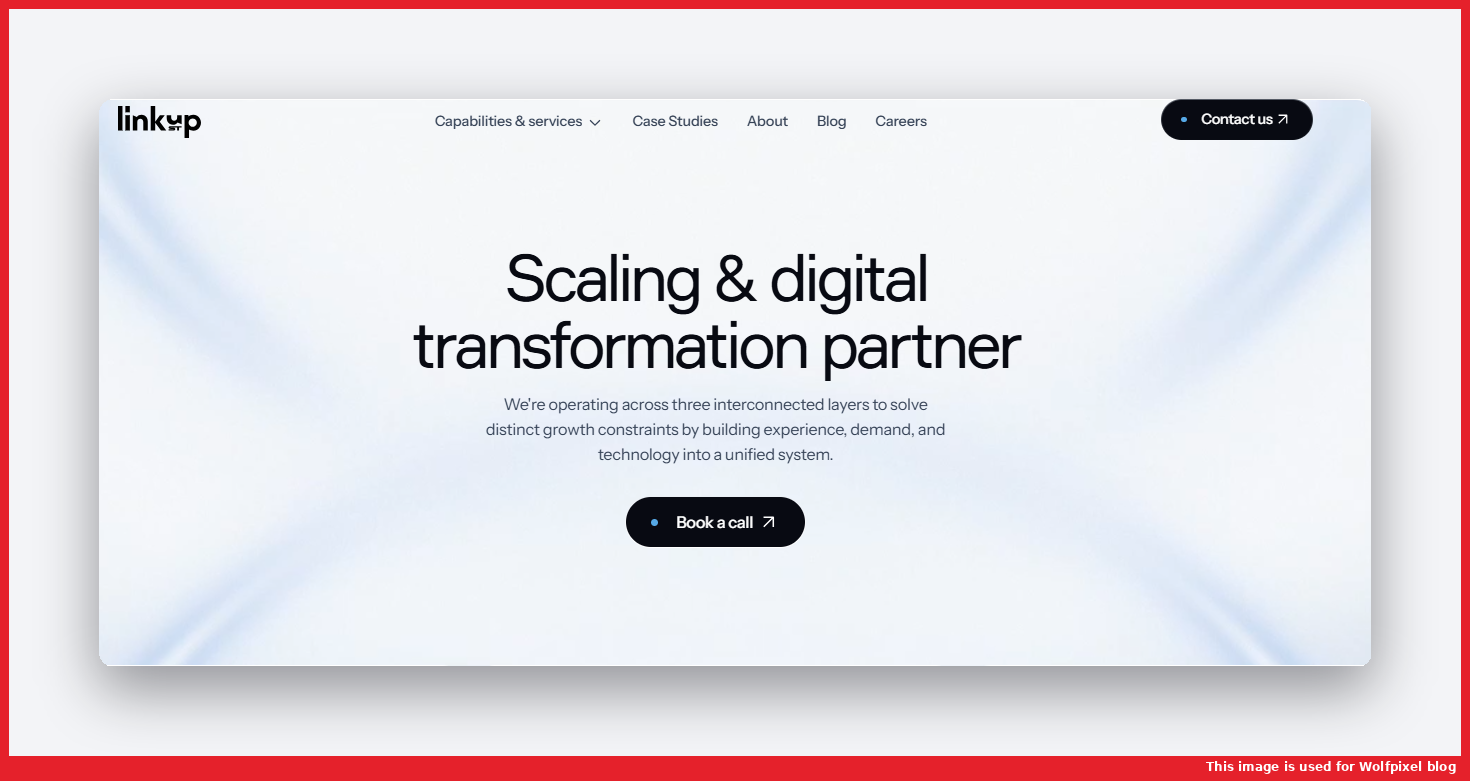
We can't continue this list without Linkup ST, a multi-award-winning UI/UX design partner that moves metrics, shapes user behavior, and stands out by design. For 12+ years, they've been providing UI/UX design services grounded in proven principles of how emotion and function interplay to create meaningful impact.
Their team of 80+ specialists across the US and Europe blends strategic thinking, human-centered design, and technical excellence. They don't "deliver screens", they become an immersed business partner who thinks like the client, understands their pain points, and drives results together. Every product they touch follows the same principle: emotion + function = measurable impact. They combine behavioral insights, forward-thinking design, and clean usability to build experiences that convert, scale, and truly matter to users. Between 2022 and 2025, Linkup ST became one of only three companies in the world to achieve the rare "triple win", multiple Red Dot Design Awards, Webby Awards, and A' Design distinctions. In addition, Linkup ST and its design leads have been featured in POPDES, which recognizes the most influential designers and studios based on global visibility and impact.
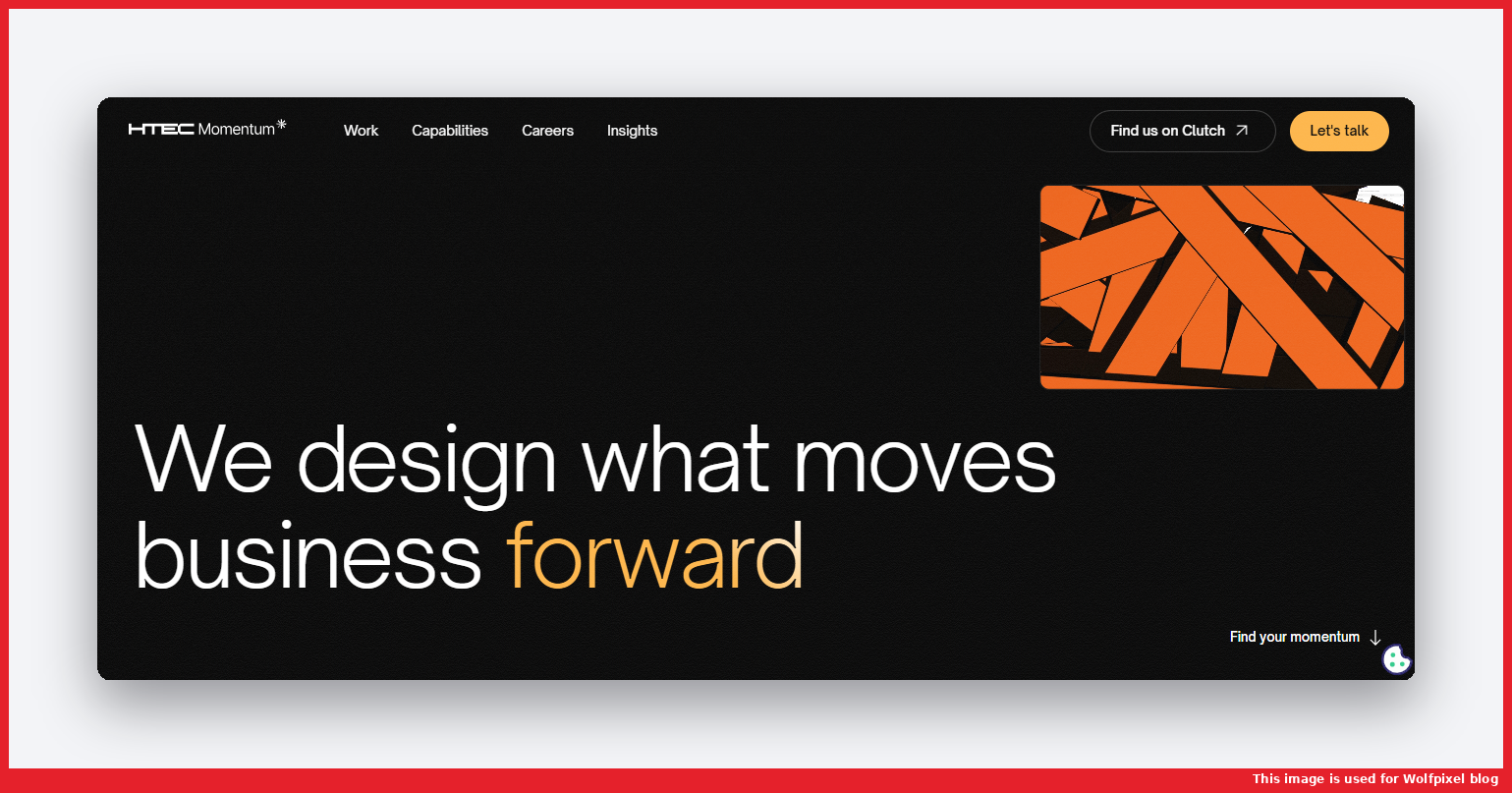
Momentum has been doing this for two decades, and it shows when the work gets hard, legacy dashboards, dense data tables, compliance-heavy flows. They've stayed one of the highest-ranked UI/UX agencies on Clutch for years running, with long contracts for Fortune 500 brands like Capital Bank and Toyota. What's impressive is how a compact, senior team makes genuinely complex products feel calm. If your minimum is comfortably above $25k and you need a partner who's already seen enterprise scale, they're a safe pair of hands. Fast, scrappy startup work isn't their sweet spot.
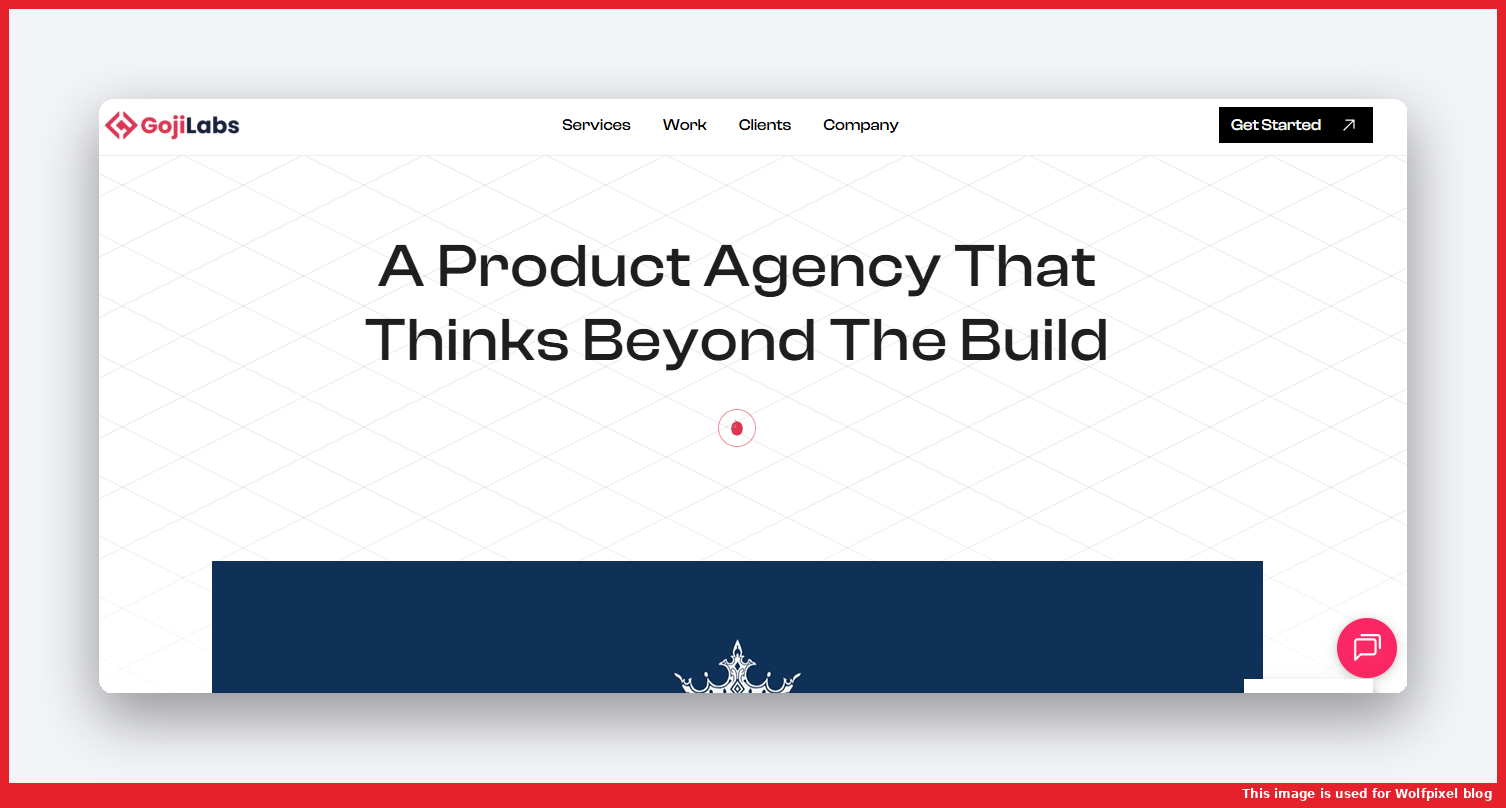
Goji Labs shows up across the US directories for good reason: a Premier-verified Clutch profile, a 4.9–5.0 rating across platforms, and 500+ products shipped since 2014 for clients like WWF, Mitsubishi, and KCRW. Their edge is having strategy, UX, and engineering in the same shop, so handoff friction drops and an MVP can go from discovery to launch with one accountable partner — they've even helped clients raise over a billion dollars in funding. They're a strong pick if you'd rather not coordinate a separate dev team. The flip side of being a full-lifecycle generalist is that ultra-deep, standalone UX research isn't their headline act.
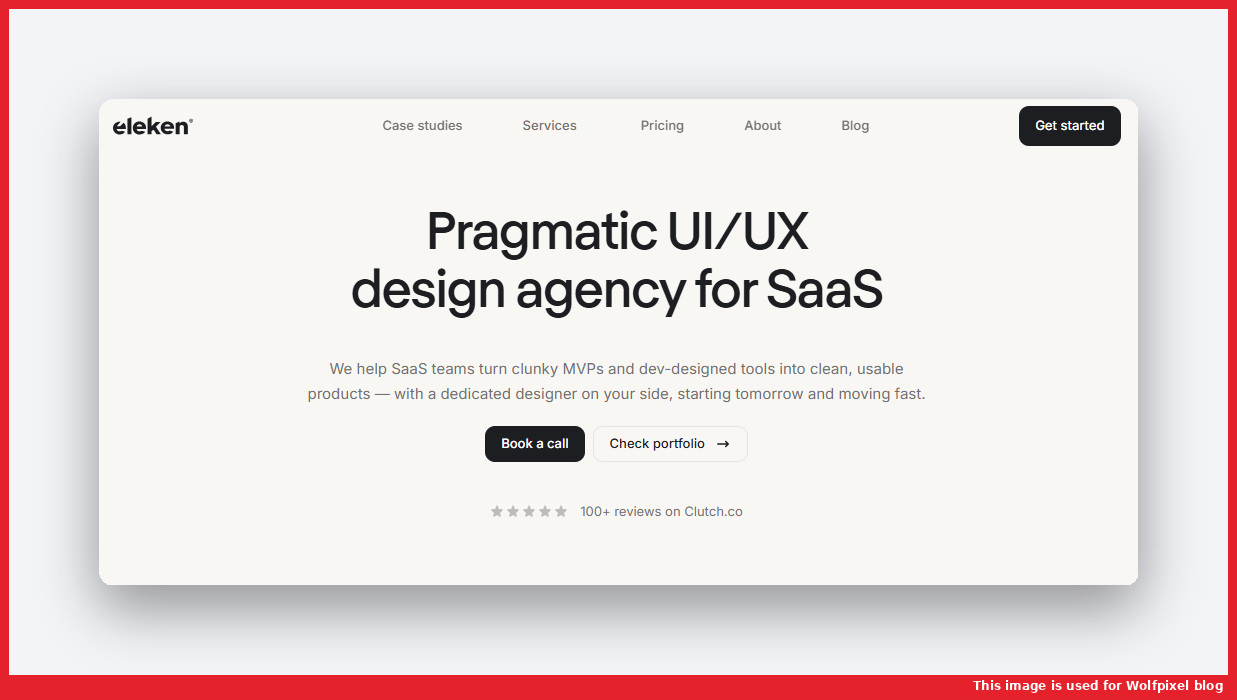
Eleken built its entire model around SaaS, and it's hard to beat for ongoing product work. Instead of fixed-scope projects, one of their vetted designers embeds with your team on a simple monthly subscription, no project managers in the middle, direct communication, and a 3-day free trial before you commit. With 200+ SaaS projects and a 4.9 Clutch rating from 120+ reviews (clients include Gamaya, TextMagic, and TenderX), they understand dashboards, onboarding, and design systems deeply, so you spend less time explaining and more time shipping. The one catch: Eleken is design-only, so you'll need engineers ready to build what they hand off.
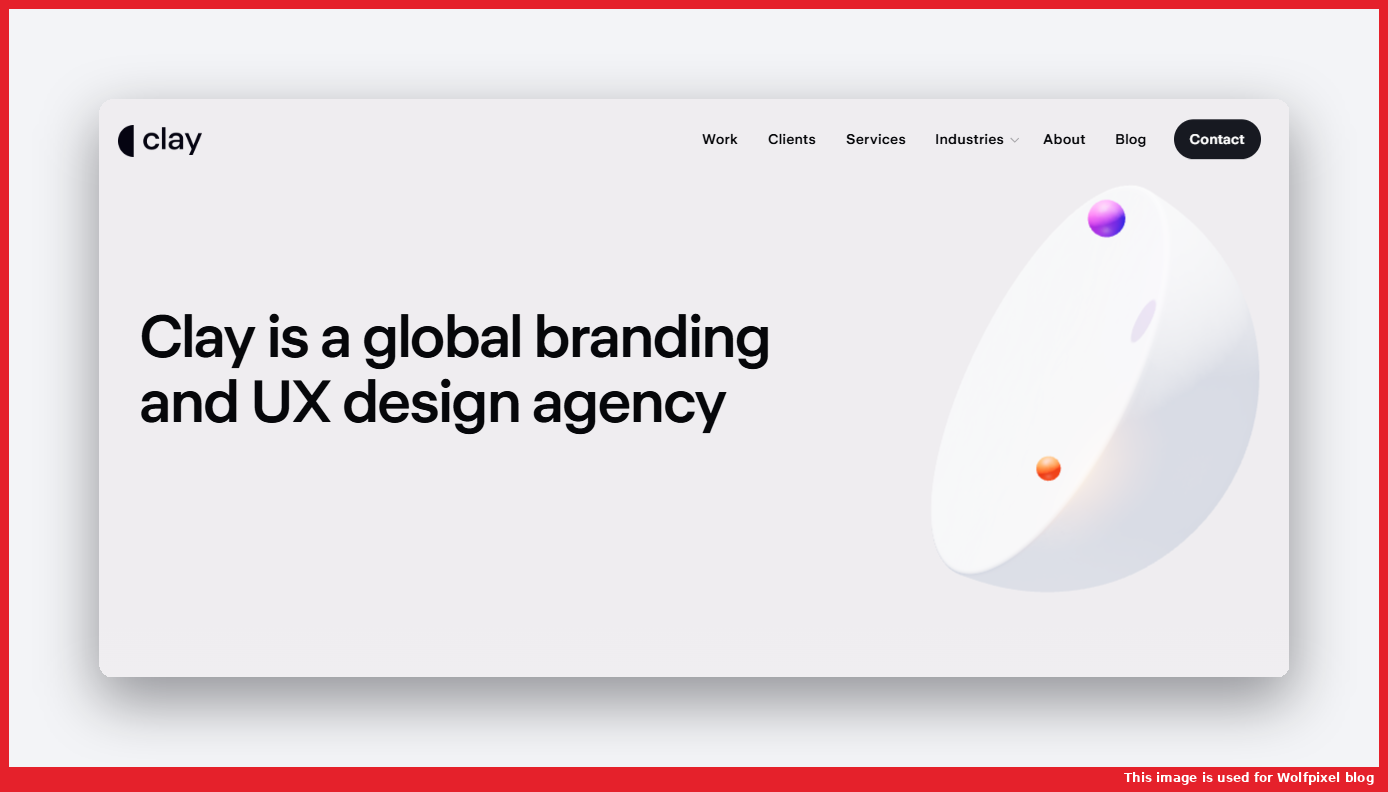
Clay is where sleek visuals meet serious brand strategy, and few teams execute at their level. Working with clients like Sony, Coca-Cola, and Toyota, they've built a reputation for blending branding and UX into experiences people remember typography, motion, and the small details all land. They're a strong fit when your product needs to feel premium and you have the budget to match. The trade-off is exactly what you'd expect: that polish carries a premium price, and they lean more toward brand-led experiences than deep, behavior-first product research.
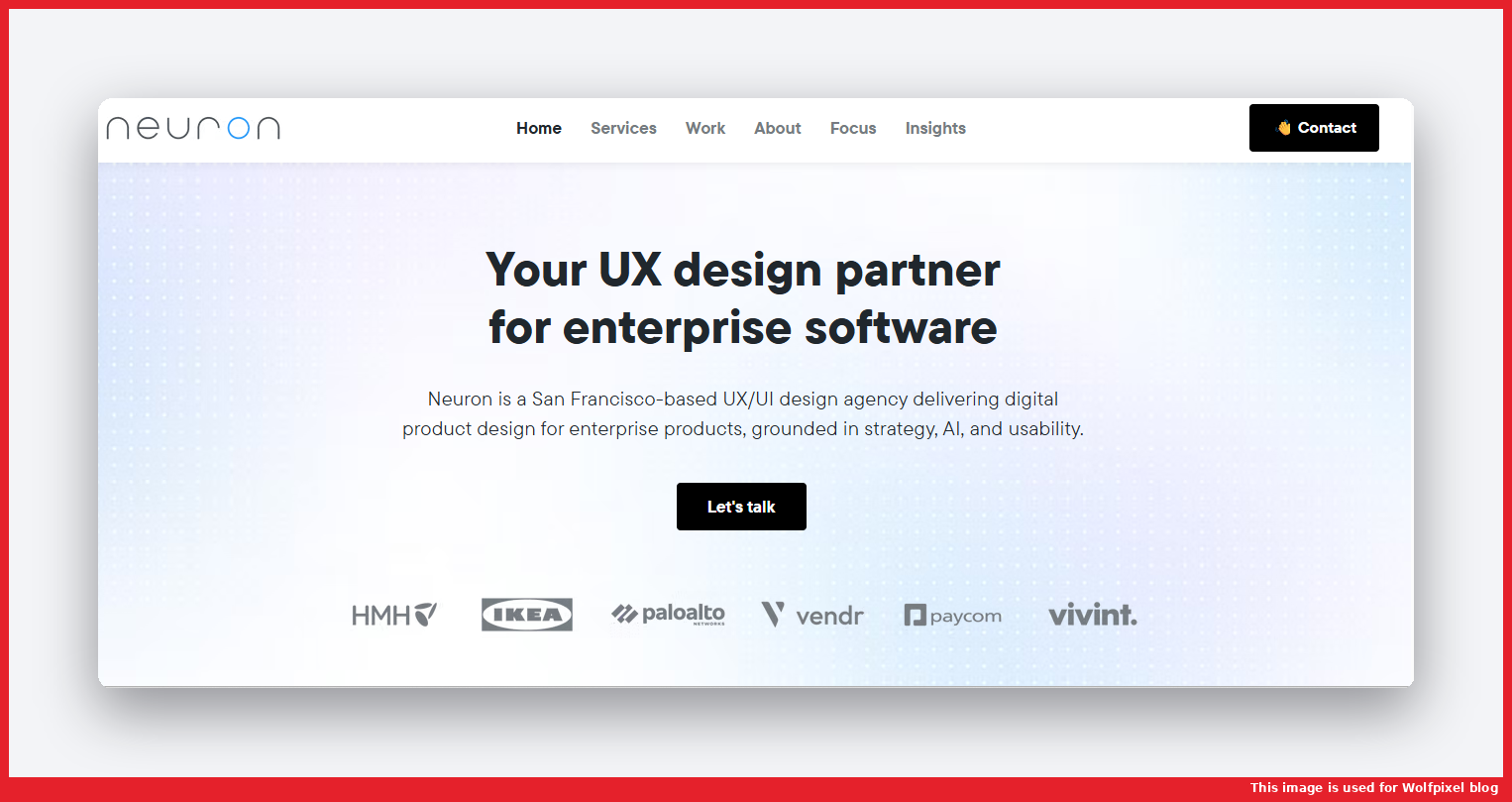
Neuron is a boutique studio that's earned a spot on the New York and San Francisco UX rankings through genuinely custom work strong research, clean execution, and no copy-paste solutions. They focus on human-centered, B2B product design, with clients spanning technology, healthcare, AI, and financial services (including names like Hootsuite, Vendr, and Palo Alto Networks). They're a great match when your problem is specific enough that an off-the-shelf approach won't cut it. Boutique scale means they're selective, so reach out early in your planning.
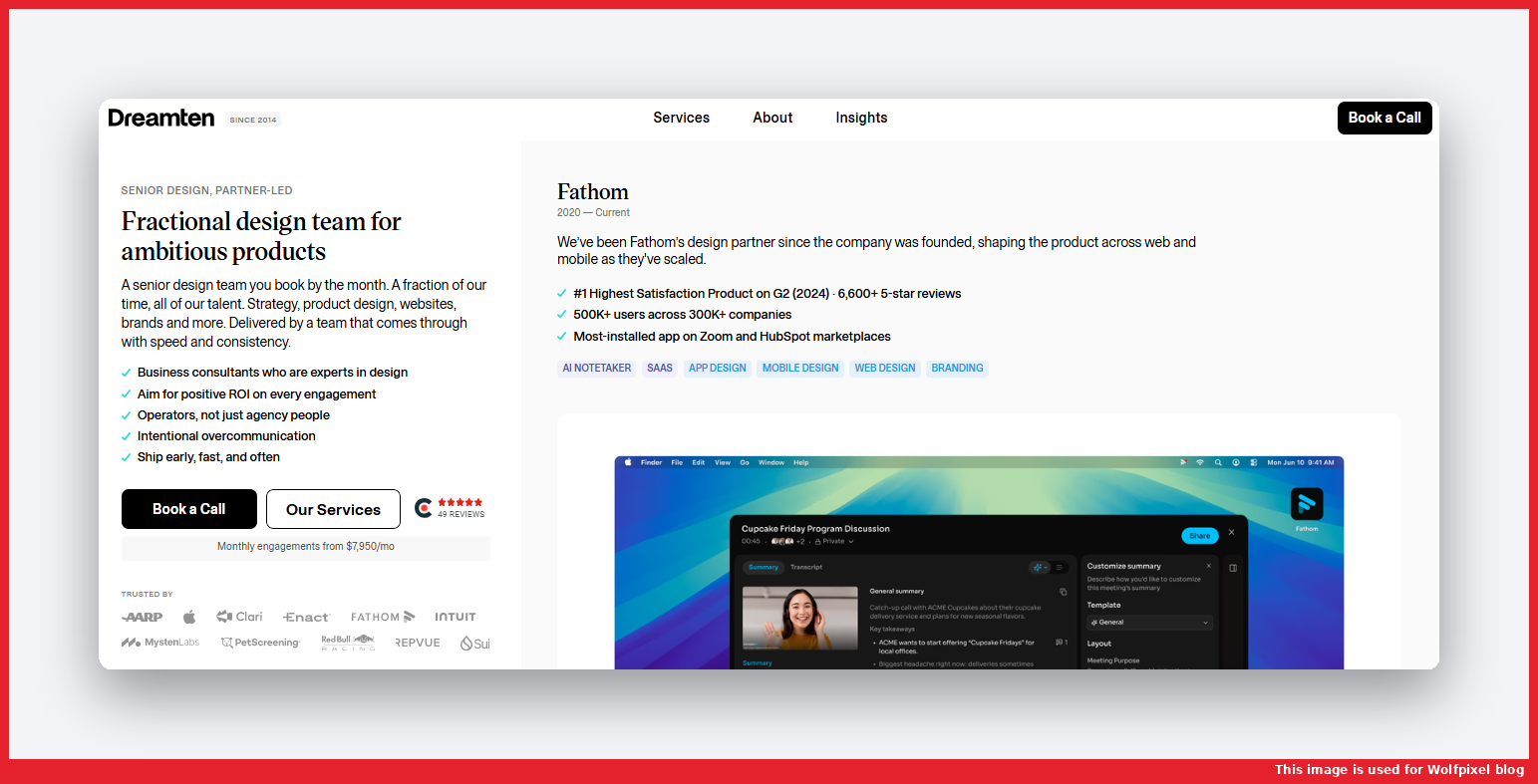
Dreamten is small and sharp on purpose. They don't overthink they build, test, and iterate alongside you, which is exactly what early-stage products need. If you're pre-Series A and want a team that keeps your pace without enterprise overhead or layers of account managers, they're one of the better US options. Just know that "boutique" means limited bandwidth, so timing your engagement matters.
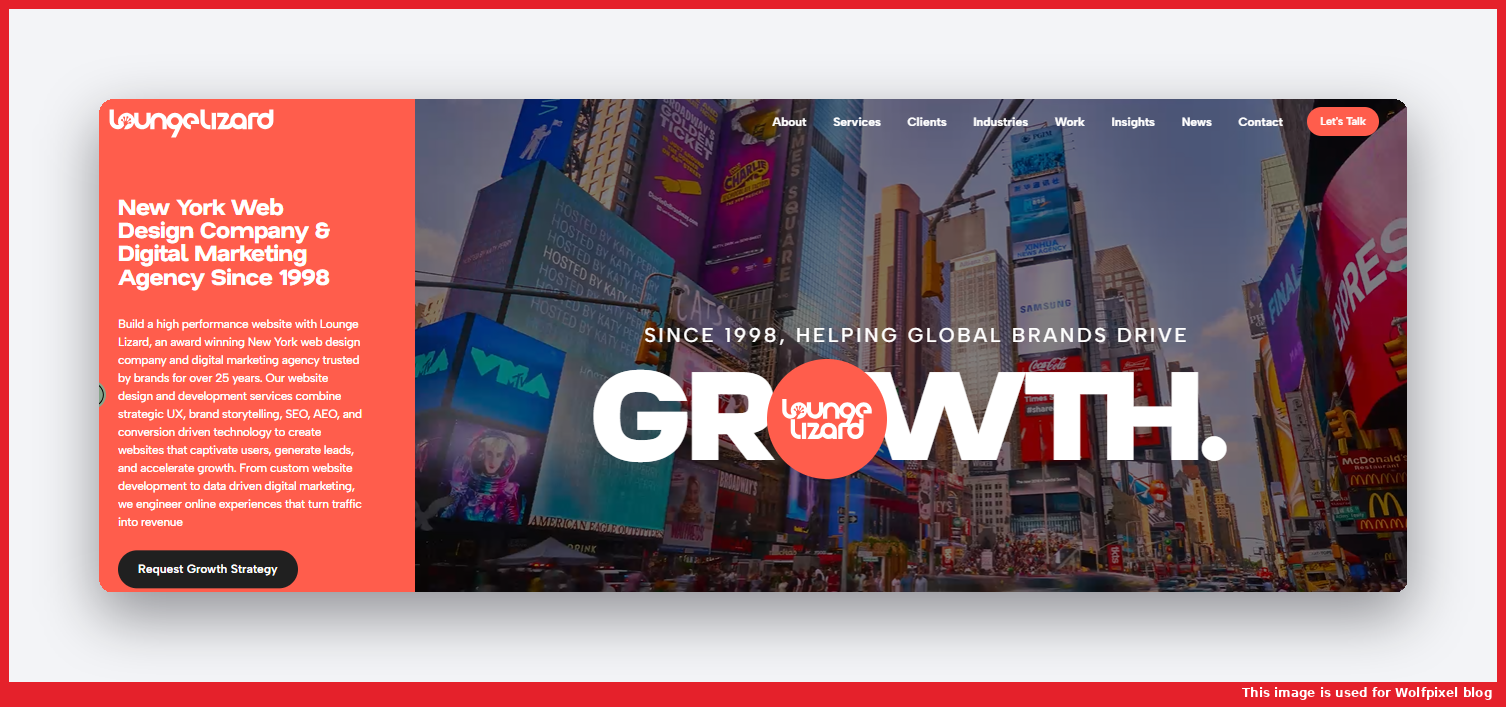
Lounge Lizard has outlasted plenty of trends, and they aim their work squarely at engagement and conversion. With clients like Nikon, Honeywell, and McLaren, and a focus on fintech, healthcare, and SaaS, they're a pragmatic choice for teams who care less about gallery-piece visuals and more about whether a page actually converts. Their breadth across design and web development is the draw and also the caveat, since they're not a pure-play UX research shop. Scope the engagement accordingly.
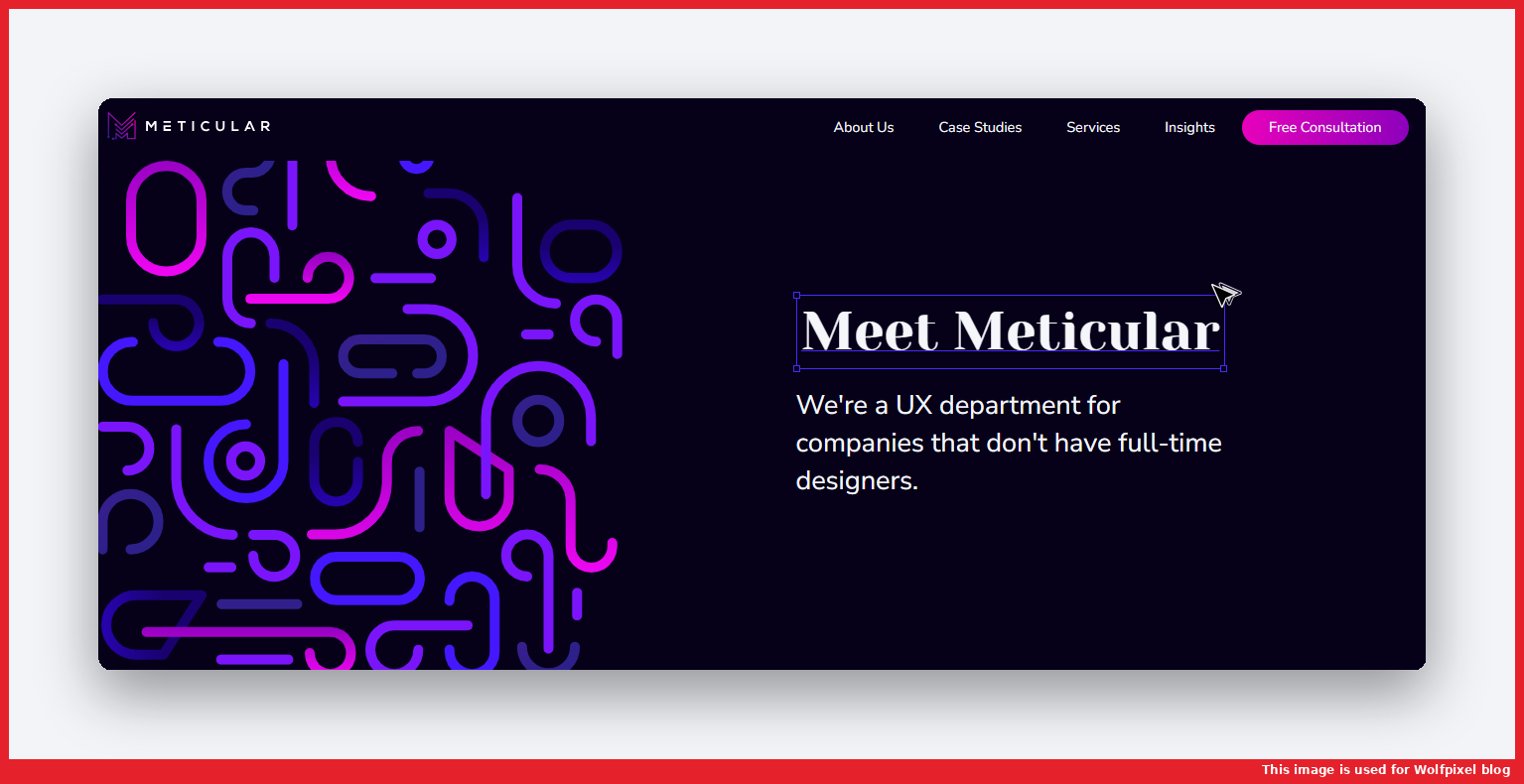
Meticular takes on fewer clients on purpose, and you feel it, the work is thoughtful, deeply personal, and beautifully crafted. If being one of fifty accounts at a big agency sounds miserable to you, this is the antidote: design systems, user testing, and a team that actually knows your product. The trade-off is the same as every true boutique limited capacity, so they can't always start tomorrow.
I've worked with enough teams to know the truth: it's not really about pixels, it's about the people behind them. The right partner thinks, builds, and cares like you do. If you want a deeper walkthrough of how to vet any of these teams, here's our guide to choosing the right design agency.
Most founders see the polished final screens and assume that's the job. Those screens are the last 20%. The other 80% - the part that actually decides whether your product works, happens before anything looks finished, and it's worth knowing what you're paying for. A good UI/UX agency follows a fairly consistent path, usually some version of design thinking and human-centered design:
When an agency quotes you a number that seems too good, this is usually the list of things being quietly cut. Cheap design isn't cheaper, the cost just moves to your dev team and your support inbox.
Most US UI/UX agencies charge $15,000–$60,000 for a SaaS MVP and $50,000–$120,000+ for a complex platform, or $100–$250 per hour, with the majority of defined SaaS projects landing in the $30k–$80k range.
There are three common models.
Hourly ($100–$250/hr) is flexible but the hardest to budget, since scope creep grows your invoice.
Fixed-price projects give you a predictable number for a clearly defined scope - just write a precise brief, because changes mid-project trigger extra fees.
Monthly retainers ($3,000–$20,000/mo) suit teams shipping continuously and often beat the loaded cost of a senior in-house hire; embedded SaaS partners like Eleken price this way.
One thing I tell every founder: the cheapest quote is rarely the lowest cost. Skipping research saves money on the design invoice, then quietly spends it on the dev invoice, the support tickets, and the redesign you'll pay for eight months later. For the full breakdown, see our website design packages guide.
Hire a freelancer for a clearly defined task you can manage yourself, an agency when you need multiple disciplines and one point of accountability, and an in-house team when design is a sustained, long-term need. That's the short version, here's the nuance.
A freelancer is great for a bounded job: an audit, a set of screens, a quick prototype. You save on overhead, but you become the project manager, the researcher, and the quality check. If the scope shifts mid-stream, it's on you to absorb it.
An agency brings a team, strategy, UX, UI, research, under one roof, plus continuity when scope changes and someone accountable for the whole outcome. For complex or evolving SaaS products, that coordination usually justifies the premium, which is exactly why most teams on this list work this way.
An in-house hire makes sense once design is constant rather than project-based, but a senior US UX designer runs well past $200k a year fully loaded, which is why many growth-stage teams use an agency retainer to get senior talent for a fraction of that until the volume justifies a full-time seat.
Book a free call and let’s turn your vision into a high-converting Digital experience.
Price is only one filter. Before you sign anything, pressure-test a shortlist on these five things, I call them the five P's, and they've saved me from bad fits more than once:
One more question almost nobody asks during the pitch, and it reveals more than any portfolio: how will we know this worked? An agency that can name the metric it's moving, activation rate, time-to-value, churn, is thinking about your business. One that can't is thinking about your invoice.
A few warning signs will save you more grief than any portfolio will impress you. Walk away, or at least ask hard questions, if you see these:




.svg)



.svg)

.svg)

.svg)

.svg)

.svg)
.svg)
