


16-09-2026
UI/UX
Build your best healthcare web design with these 11 examples.


A concept design service takes a raw idea, whether that is a new app, a product, a brand, or a building, and turns it into a tested, visual direction you can actually build from. It sits between "I have an idea" and "let's start production." This is the stage where sketches, moodboards, and early 3D models settle whether the idea actually works, before anyone spends real money finding out the hard way.
I have watched two very different kinds of projects over the years leading design at Wolfpixel. In some, the client and the team agreed on the concept before a single line of code or a single cut of wood happened. In others, they did not. The second kind almost always costs more and ends with someone unhappy. This guide is everything I wish someone had told me early on, plus the process we actually run today.
A concept design service is the early, exploratory stage of a project. A designer turns a client's idea into a visual and functional direction, before moving into detailed, production ready design. It is not the finished product. It is the proof that the finished product is worth building.
Think of the difference between telling someone about a house and walking them through a floor plan with the windows placed where the morning light actually hits. One is a description. The other is something real to react to.
Concept design shows up under a few different names depending on the industry, though they all mean roughly the same thing:
Different label, same job: reduce guesswork before the expensive part starts.
Bring your idea to WolfPixel. We’ll refine the concept, explore the right design direction, and prepare it for the next stage.

A lot of confusion around this term comes down to expectations. Some people expect too little, just a single moodboard. Others expect too much, a finished, production ready design. Here is what a proper concept design engagement should actually hand you.
I have seen projects fall apart because the concept stage got rushed or skipped. I have also seen the opposite: projects that felt slow at the start, then moved fast for the rest of the timeline because everyone already agreed on the direction. Here is what proper concept work buys you, in plain terms.
This is the actual sequence we run, not a theoretical one. Every project is a little different, but the shape stays the same.
1. Consultation and research. We start with a conversation, not a form. What do you want, why now, and what does the market around it look like. This is also where we flag anything that could quietly derail the project later, budget mismatches, unclear ownership, a constraint nobody mentioned yet.
2. Ideation. The messy, fun part. We generate more directions than we need on purpose, because the goal here is breadth, not polish.
3. Sketching and concept direction. We narrow to the strongest two or three ideas and take them from rough sketch to something you can actually respond to, hand drawn or digital.
4. Visualization and early modeling. The chosen direction gets built into 3D models, clickable wireframes, or physical style prototypes, enough fidelity to test how it feels, not just how it looks in a still image.
5. Feedback and refinement. No concept survives first contact with a real client unchanged, and it should not. We build structured rounds of feedback into this stage rather than one big reveal at the end.
This is the question almost nobody writing about this topic answers directly, so here it is straight. Pricing depends heavily on industry and scope, but here are honest ranges to anchor your expectations.
What actually moves the number, regardless of industry:
Anyone who quotes you a firm number before understanding your project is guessing. We do a free thirty minute call first, so the quote you get actually matches the work.
Bring your idea to WolfPixel. We’ll refine the concept, explore the right design direction, and prepare it for the next stage.
This trips people up constantly, so here is the plain version.
You cannot skip from an idea straight to detailed design without losing the reason the idea was good in the first place. You should not stay in concept design forever either. At some point a direction needs to be locked. A good partner tells you clearly when you have crossed that line, instead of quietly billing you concept rates for detailed work.
Here is a shortlist to start from instead of a generic "hire us" pitch, five real studios across different kinds of concept work. We put ourselves on this list too. Pretending we are the only option out there would undercut everything we just said about trust. This order is not a ranking by size or prestige, IDEO is a much bigger company than we are. It is grouped so you can find the closest fit to your own project fastest. Where we are not the best fit, we say so.
1. IDEO
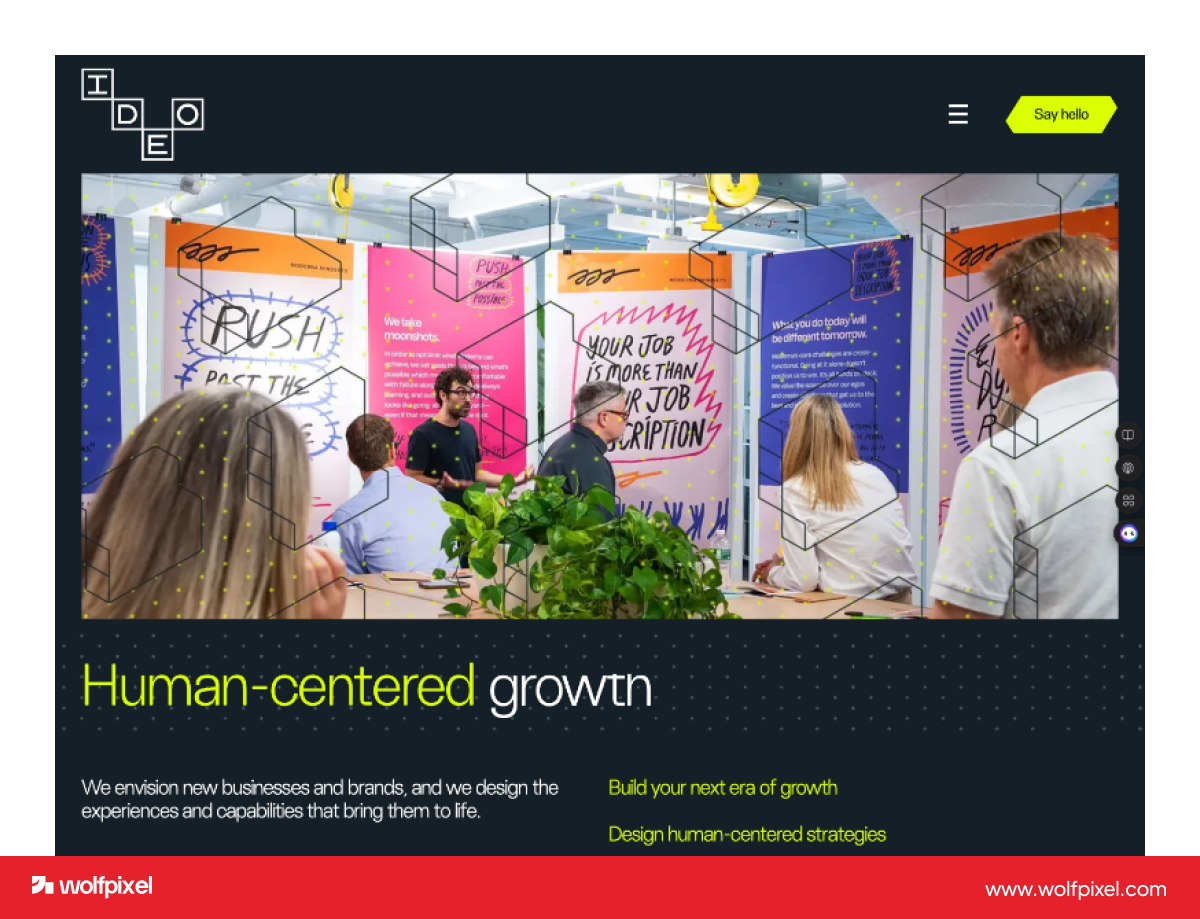
Best for large enterprises and systems level challenges.
IDEO is one of the studios credited with popularizing design thinking as a discipline. It remains one of the most recognized names in the industry decades later. Its concept work spans products, digital services, healthcare, and public sector systems, usually for large organizations with the budget and timeline to match. If you are a startup with a small budget, this is probably not your first call. For enterprise scale problems, though, few studios bring that depth of process.
2. Wolfpixel
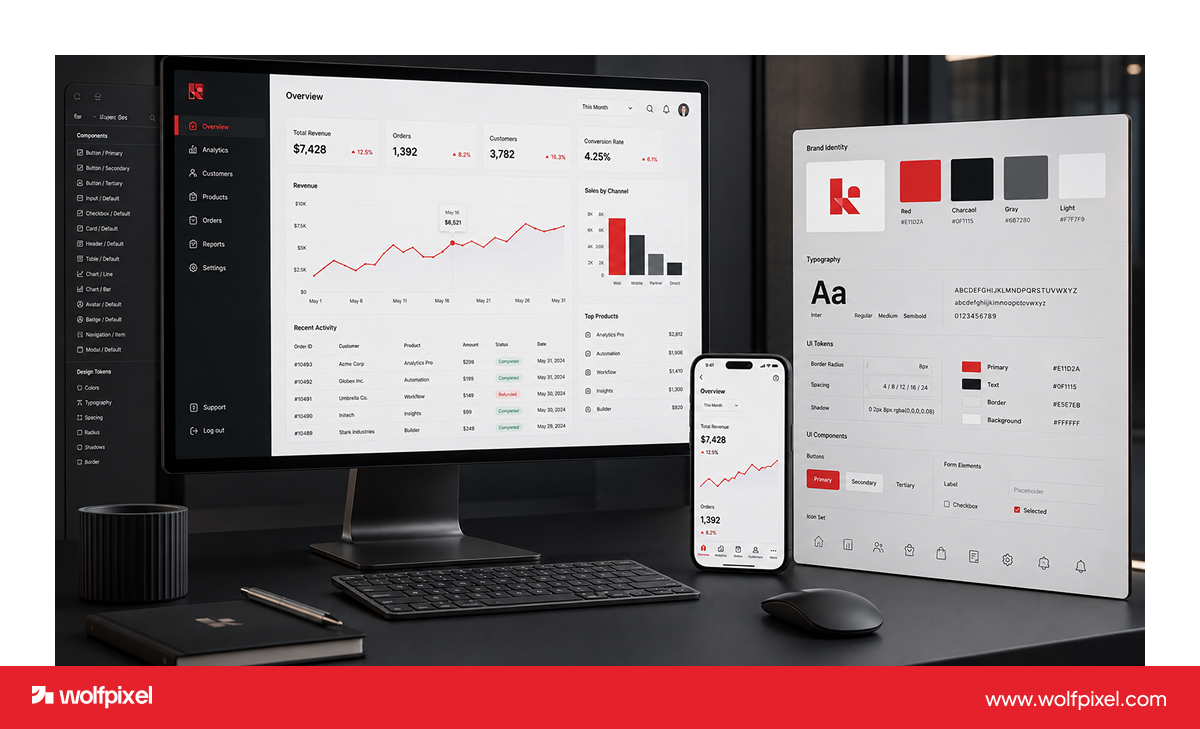
Best for digital products, SaaS platforms, and brand identity work on a startup friendly timeline.
This is where we actually fit, and we want to be upfront about it. We are a UI/UX and brand focused studio, not an architecture firm or an industrial hardware house. If your project is a physical product or a building, one of the studios below is probably the better call. Where we do our best work is early concept direction for apps, SaaS platforms, and brand identities, the kind of work behind our CareUp health app concept, RoomMind AI interior app, and Astrix Builders brand identity. We are rated 5.0 on Clutch, an official Webflow professional partner, and featured on Behance more than twenty times. If your project fits that lane, we are worth a call. If it does not, we would rather tell you that now than take the project anyway.
3. Mormedi
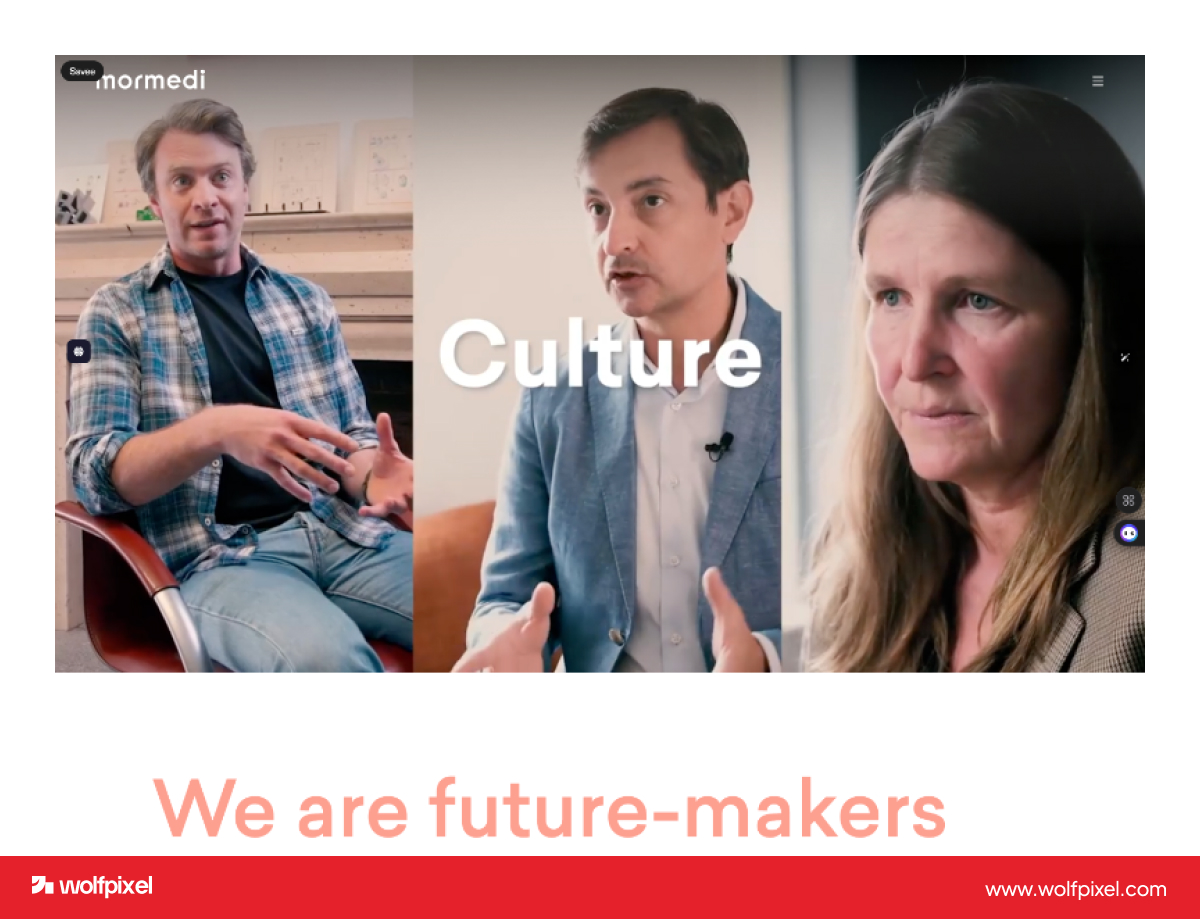
Best for global brands that need cultural and strategic depth.
Mormedi is a Madrid based consultancy with additional offices in New York and Tokyo. Its team is genuinely multidisciplinary, including anthropologists, sociologists, and business strategists alongside product and service designers. Its concept work has covered mobility projects, financial services, and connected products for large multinational clients. It is a boutique studio with a global outlook, well suited to brands that need concept work grounded in real cultural research, not just aesthetics.
4. Analogy Design
Best for startup founders validating a product idea before manufacturing.
Analogy Design focuses on founders moving from a raw idea toward something investable and buildable. Its process leans on user research, rapid sketching, and design for manufacturing checks early. That way founders do not fall in love with a concept that cannot actually be produced at a sane cost. It is a good fit if you are pre seed or seed stage and need a defensible concept to show investors or manufacturers.
5. YR Architecture and Design
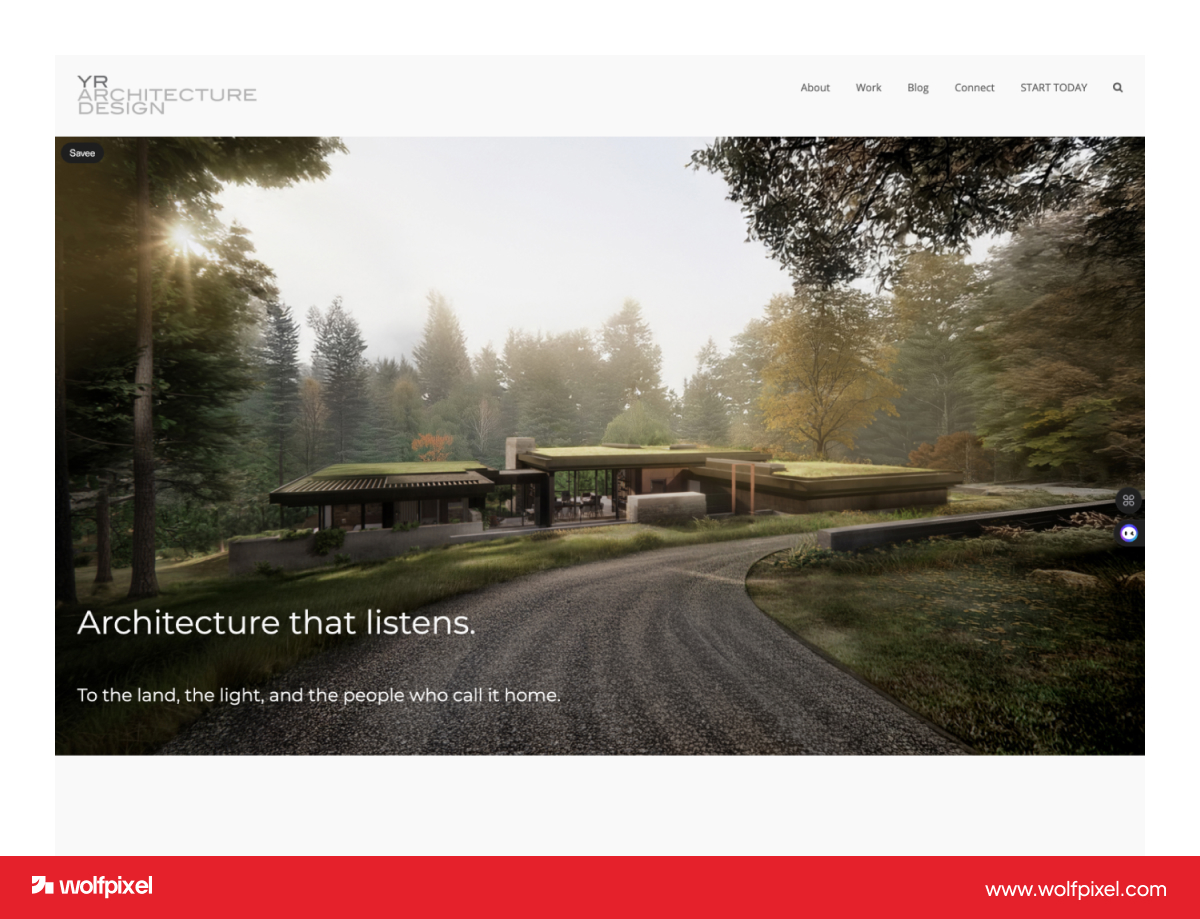
Best for residential architecture concept packages.
YR Architecture is a small US based practice that publishes its concept design pricing openly, typically five to ten thousand dollars depending on project size. That kind of transparency is rare in this space. Its concept package includes site plans, floor plans, elevations, and early 3D views, handed off in a format another drafter or contractor can pick up. If your project is a home renovation or new build rather than a product or a digital platform, this is a closer fit than anything else on this list, us included.
Step one, get clear on your own goal. You do not need a finished brief, just one sentence for what success looks like. That sentence saves everyone time later.
Step two, book a free consultation. Thirty minutes, no pitch deck required. We talk through budget, timeline, and what you actually need, and tell you honestly if concept design is the right next step.
Step three, agree on a collaborative process. Clear milestones, regular check ins, and one point of contact. Concept design works best as a conversation, not a one way delivery.




.svg)



.svg)

.svg)

.svg)

.svg)

.svg)
.svg)
