


October 25, 2026
Branding
Brand Identity Design for Small Businesses


To choose brand identity design for a small business, compare the complete package: the business decisions it covers, the logo and visual system, the customer materials you can edit, and the handoff support. Start with the applications you need next, then ask providers to quote against the same brief. That makes scope, cost and practical value easier to compare.
If you are already browsing designers or small business branding packages, the hard part is often knowing what each price actually buys. One quote may cover a logo and a guide; another may include research and templates; both may leave the website update to you. This guide helps you identify those differences before you commit.
I’m Masuder Rahaman, Founder & CEO and Brand Design Director at Wolfpixel, with 8 years of branding experience. I lead identity work across logo systems, visual language, guidelines and applications. I have written this for founders and solopreneurs comparing providers, scopes and delivery options. Wolfpixel offers the service discussed here; use the linked work and buying checks to assess fit for yourself.
If you are comparing brand identity packages for a small business, begin with the applications you need to use after delivery. A package should make it possible to publish your next proposal, update your website or prepare a product label with a coherent identity. Ask each provider to quote against that same list.
For a solo bookkeeper, a wordmark, clear website style and editable proposal may cover the immediate need. A product shop may need packaging production artwork and product-page layouts instead. Ask which option covers those uses, which work is optional and who will implement the result.
A suitable existing logo can remain. If customers recognize it and it works in the required applications, a designer can improve the system around it. If your audience or offer has changed, use our rebranding strategy assessment guide before committing to an identity-only scope.
Write down who you serve, what they buy, why they choose you and the materials they use to make that decision. Bring existing examples and repeated customer questions. The SBA’s market research guidance explains how customer and competitor research can inform these decisions. Ask a prospective provider what evidence they need and which assumptions their proposal will investigate.
If terminology is making quotes difficult to compare, our branding, identity and logo design comparison explains the scope boundaries. To compare a provider’s actual capabilities with your list, review Wolfpixel’s brand identity design scope and deliverables.
Send your current materials, next three applications and editing tools. Request a proposal with clear deliverables, exclusions, review points and handoff support.


Use the following checklist to compare the contents of a small business brand identity package. Each inclusion should have a practical use and an acceptance check. Ask the provider to demonstrate the result in your real materials before you approve the scope; a list of file types alone does not show whether the kit will be usable.
If you make proposals in Google Slides, ask whether the proposal template will be editable there. If your assistant uses Canva, clarify the handoff format, account access and any paid assets it requires. A sophisticated source file has limited everyday value if no one on your team can update it.
Record where approved fonts and images come from and how the team may use them. Google Fonts’ official FAQ is a useful starting resource when considering its fonts; retain the relevant license information with your assets. Confirm the terms of whichever font or image source you choose.
Ask the designer to show your website body text, buttons and important labels using the proposed colors. W3C’s guidance for text contrast specifies 4.5:1 for most ordinary text and 3:1 for qualifying large text, with stated exceptions. A logo’s exception does not make the same colors suitable for small website text.
For a broader explanation of the discipline, see what a complete brand identity includes. Your first small-business kit can be narrower, provided the agreed applications work.
A dramatic billboard can demonstrate a direction, but your team may spend more time editing invoices or service lists. Ask to see realistic content, a long heading and a routine update in one of your agreed templates. You are checking whether the system survives normal use, including the software and content your business actually has.
Start by tracing one customer journey: where someone discovers you, what they need before deciding and what they receive after buying. Choose the three materials that do the most work along that path. This keeps the budget connected to your real business.
For a café, a beautiful cup has one job while a menu has another. The cup carries recognition; the menu must make products, prices and choices understandable. Review the sign from a realistic distance, the menu in its actual lighting and the profile image at the size customers see on a phone.
You may trade under your own name. That can still have a consistent identity: a clear name treatment, a small palette, type choices and proposal layouts. Decide when the founder’s photograph matters and when the business information should lead. Your identity should make the offer easier to recognize as you move between a profile, a website and a client document.
Labels and packaging have practical requirements beyond a mockup. Ask your printer or packaging supplier for the relevant production specifications before artwork is finalized. Check long product names, size variations and the information customers need. A small test run can expose problems before you commit to a large order.
Choose the delivery model around the work and the responsibility you can take on. A clear brief and simple applications may suit an individual designer. A wider project may benefit from several disciplines, provided you know who will actually do the work. The business size of the provider is not evidence of quality by itself.
Compare the cost of the complete agreed scope: research, logo work, voice or copy, applications, files and support. Then add the costs needed to put it into use, such as a website update, printing, photography or paid assets. Request separate inclusions and exclusions rather than assuming all of that is part of “branding.”
As a dated provider-specific reference, Wolfpixel’s brand identity service and logo-only starting offer lists logo-only sprints from US$1,250, checked on October 25, 2026. That is an offer for logo work, not a market average or a complete identity-package price. Ask for a written quote for the kit and applications you need.
Consider two hypothetical proposals with the same headline price. Proposal A includes an identity, a PDF guide and flattened application mockups. Proposal B includes an identity, a shorter guide and editable proposal, social and website-reference templates. Neither is automatically better: A may include deeper research or custom artwork; B may better cover the owner’s next production tasks.
The comparison becomes useful when you ask both providers to price the same applications, editing formats, research depth and implementation support. Record every “we can add that later” item before deciding. This example is an editorial buying scenario, not a description of actual providers or a claim about their prices.
Free brand identity design for small businesses can help with early exploration, a clear brief and simple layouts. Budget your own time for adaptation, asset checks and testing. If the template cannot support the required customer materials, ask a designer to solve that specific gap rather than commissioning assets you will not use.
Before choosing a small business branding package, put the missing items next to the headline fee. This is the practical difference between comparing prices and comparing what it will cost to get the business ready to use the identity.
When reviewing brand identity design for small businesses, use portfolio examples to ask better buying questions. Examine the brief, the system across applications and the practical handoff. The projects below are published Wolfpixel work, selected for decisions a small team can apply; their presentation alone does not establish company size or business results.
Our Happy Tail branding and packaging project brings a playful identity into packaging and an e-commerce experience. The pouches use a repeated wordmark and graphic approach while color and product imagery distinguish the variants.
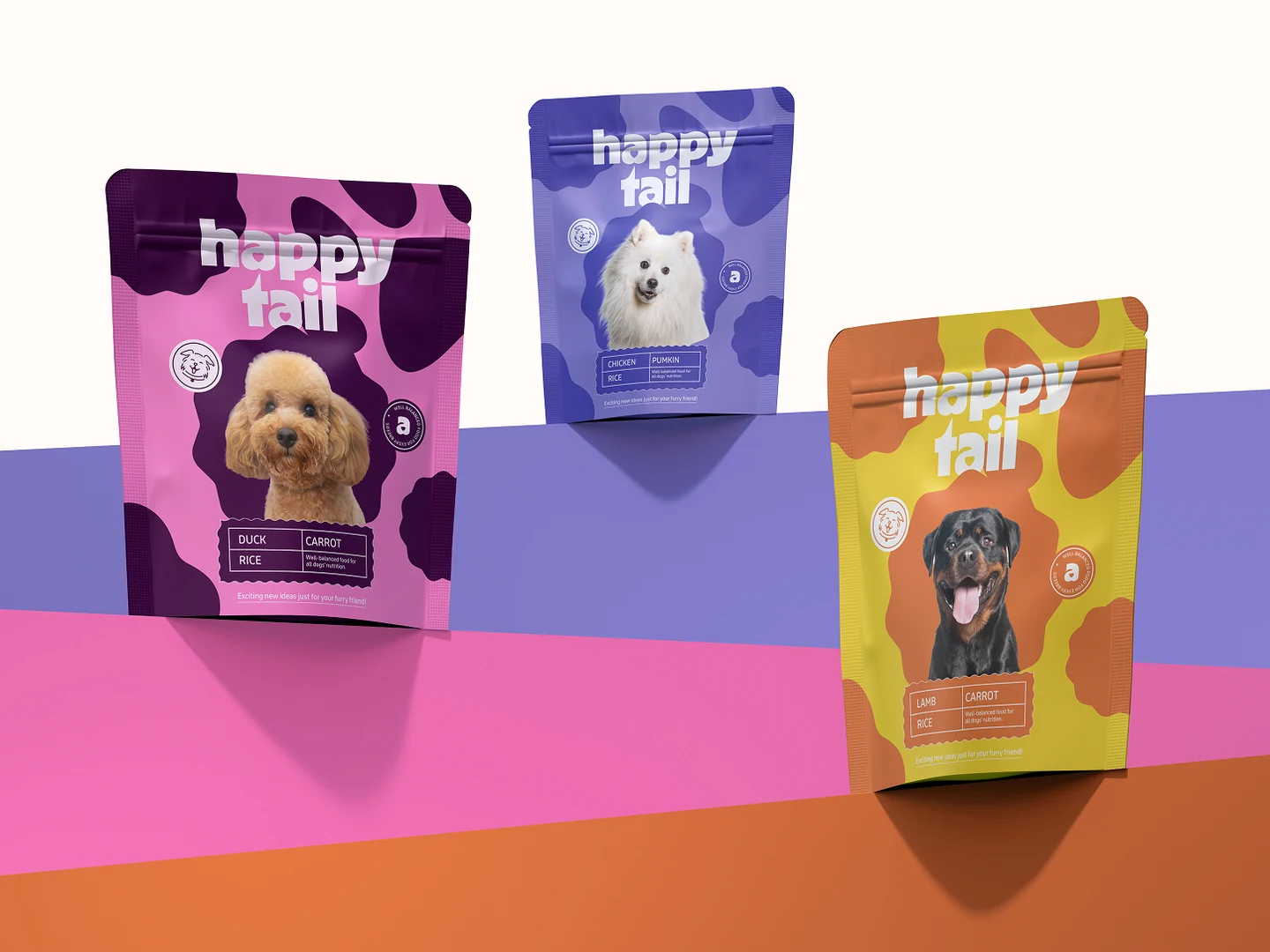
For an independent shop, the useful question is whether customers can recognize the maker and identify the right product at the same time. Try the system with a second product name and a different image before approval. A layout that only works for the first item may be expensive to expand.
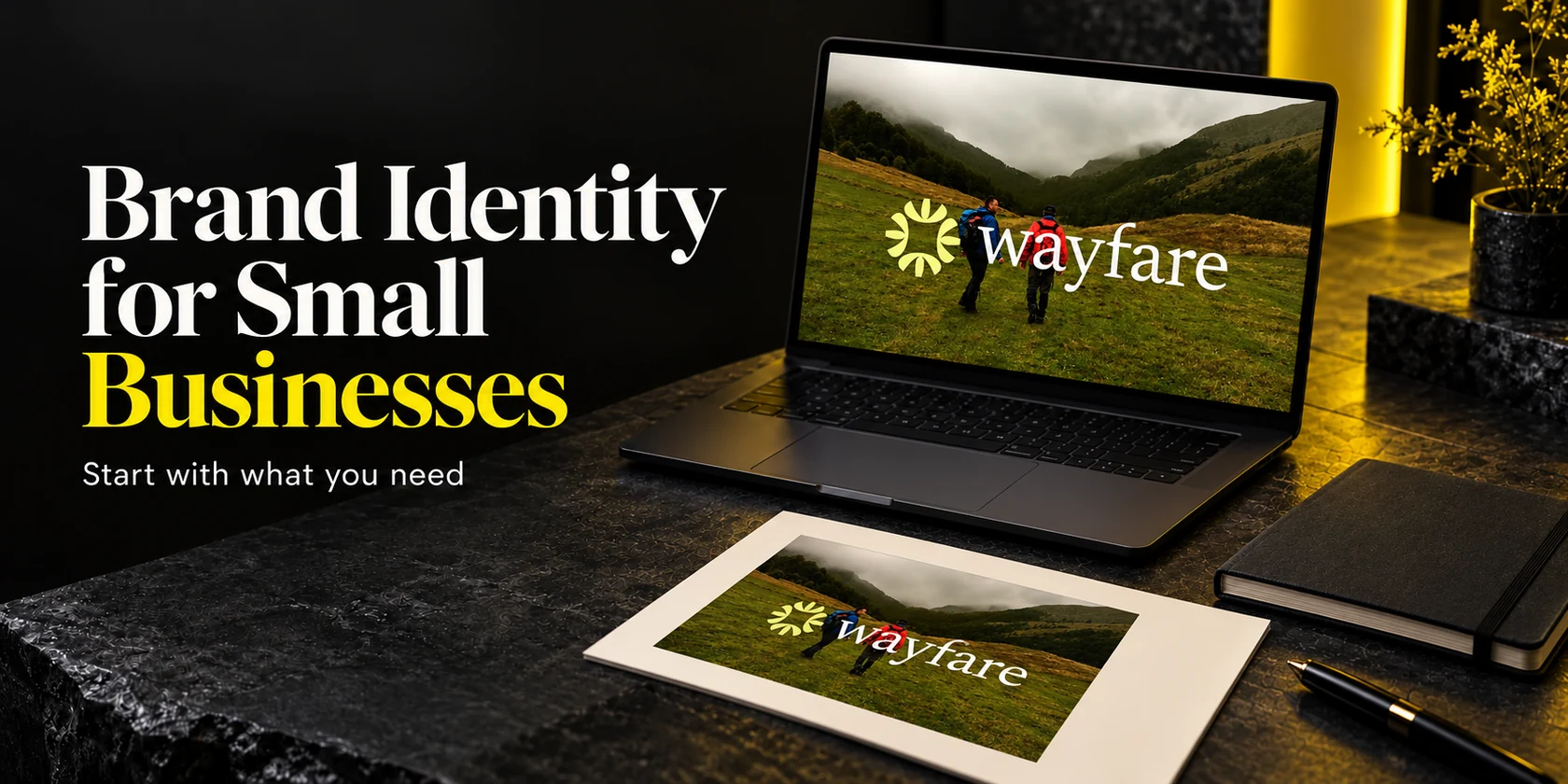
The hero displays artwork from our Wayfare travel identity project. Its landscape imagery, wordmark and symbol create a recognizable presentation. For a service business, this is a useful reminder to define the image style as well as the logo: new photos should support the same character and keep important text readable.
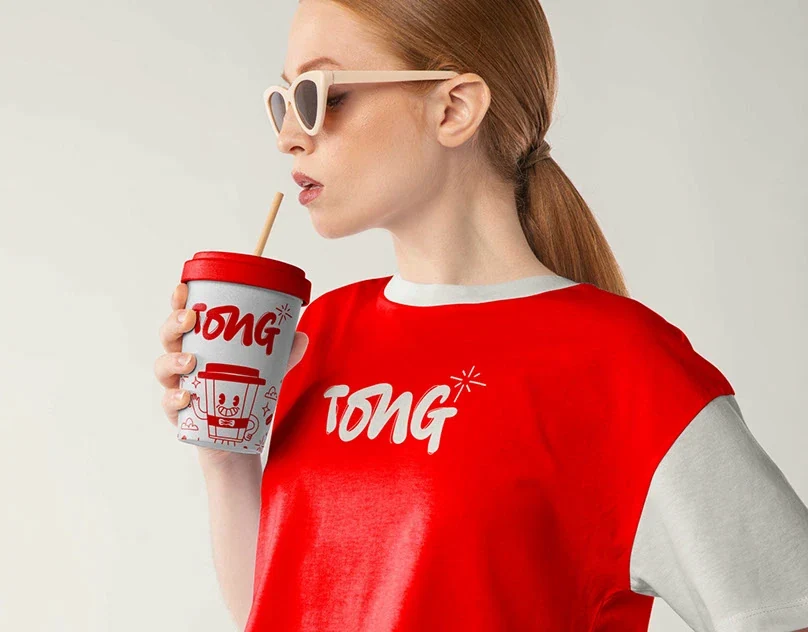
The coffee identity earlier shows how an expressive mark carries onto a cup and clothing. A local business can apply that lesson at a smaller scope: test the mark on the two or three physical items customers encounter most. Review legibility and production constraints before ordering a large quantity.
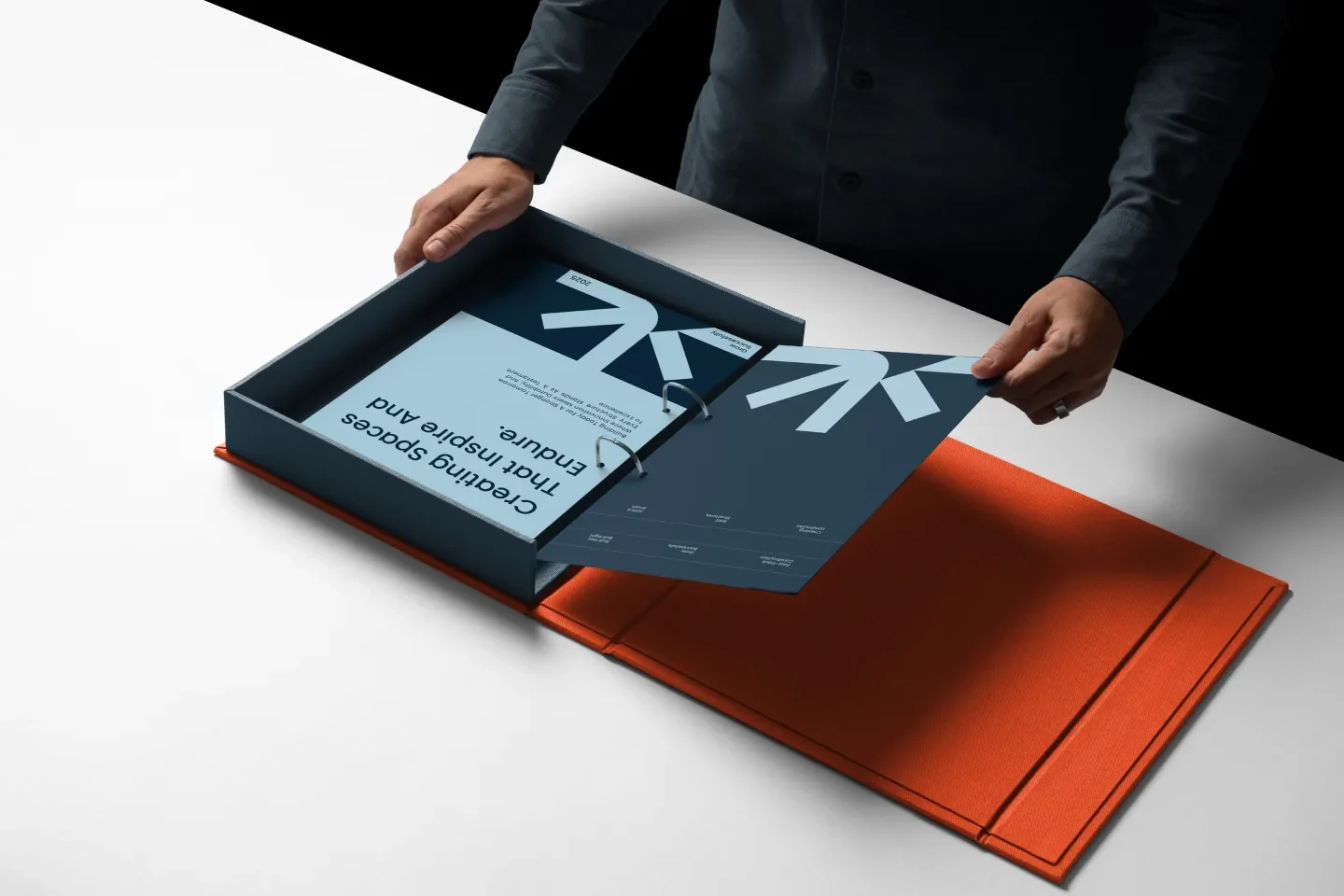
For another example of a coordinated system, the Astrix Builders identity case study provides the context for the printed presentation above. These examples illustrate design choices; this guide does not assign them a sales or trust uplift.
For example, the Happy Tail image demonstrates consistency across packaging variants. To evaluate a comparable engagement, ask how the artwork was prepared for production, which files the team received and what help was available at the first run. Request the evidence appropriate to the claim being made.
Send the same brief to the providers on your shortlist. It helps each one estimate a comparable scope and gives you a record of what you asked them to deliver. Copy the prompts below and add a few examples of the materials you currently use.
“I help independent retailers keep monthly accounts understandable. Customers value clear explanations and a reliable month-end routine. My website and proposal currently look unrelated. I want to keep my business name, make a readable wordmark, and create a proposal, email signature and website style reference I can maintain myself.”
That gives the designer a customer, an offer, a problem and a bounded first scope. You can add examples of real materials and the questions customers ask. The example is a fictional brief, not a Wolfpixel client account.
When you share a reference, say what is useful: the readable menu, restrained color use, accessible layout or confident tone. Ask how those qualities fit your customers. This makes the conversation more specific and helps the designer create a suitable identity rather than copy another business.
A brand identity design for small businesses template is most useful when it captures decisions like these. A blank logo box and color swatches alone will not explain the business to your designer.
Use “included,” “excluded” or “needs clarification” for each answer. Resolve the essential gaps before ranking the prices. This is an editorial comparison worksheet, not a validated scoring system; a missing essential application matters more than a large count of optional extras.
Once you have this list, compare Wolfpixel’s brand identity deliverables with your brief and identify any items that need a custom quote.
Review the identity in the materials you agreed to make. Open the files, replace the sample content and try the task you will do next month. If you cannot make a simple update, ask what needs to change in the handoff.
Update the primary website, active profiles and the sales material you use most. Follow with the next customer-facing documents or packaging run. Where an existing audience needs reassurance, explain the change and keep the business name and contact details easy to recognize. Use a written change list so important older materials are not forgotten.
Use a shared folder with simple names: approved logo files, templates, font and image information, and the current guide. Mark old versions clearly. If you work alone, you still benefit when a printer, assistant or web developer needs the correct file quickly.
Our guide to practical brand guidelines explains what those rules can contain. If you need the full production sequence beyond this small-business scope, see the complete brand identity creation process.
Track the time you spend preparing repeat materials, repeated questions about the offer and corrections caused by inconsistent files. Listen for whether customers understand what you do. Enquiry or sales changes may also reflect traffic, price, seasonality and service quality, so avoid attributing every improvement to the visual identity alone.
A first review after the materials have been used can identify missing templates, unclear rules or an impractical file format. Fix those observed gaps before adding more assets.
The best brand identity design for small businesses fits the audience, covers the necessary applications and gives the owner a manageable way to keep using it. Shortlist providers who can show those decisions in work of relevant complexity and explain the responsibilities in writing.
This guide is written by Wolfpixel, and we offer the service discussed here. You can check Masuder Rahaman’s background and selected work, review the linked project presentations and read client reviews hosted on Clutch. Check each review’s project type and date; work in one discipline is not automatic proof of fit for every branding brief.
Use Wolfpixel’s team and agency information to inform questions about who would handle your engagement. Ask for comparable project context and the actual proposed deliverables. Public portfolio work demonstrates design choices; your written proposal should establish the commitments for your project.
Brand identity design for small businesses online works best with a named decision-maker, agreed review points and a shared record of feedback. Confirm time-zone expectations, software access and how the team handles a missed dependency. A smooth portfolio presentation is not enough to answer those operational questions.
Identity design, strategy, copywriting, a website build, photography and ongoing marketing can be separate pieces of work. The proposal should connect each inclusion with a need in your brief. If your positioning is unsettled, ask for the discovery needed to resolve it; if your identity already works, a focused application or template project may be sufficient.
If your audience and offer are clear and you need a coordinated identity with practical applications, review Wolfpixel’s brand identity design service. Then send your brief and request a scoped brand identity quote with your current materials, next three applications, editing tools and launch dependencies. Ask the proposal to state the deliverables, exclusions, review process, ownership and support, so you can compare it with your other options.
If you are still deciding what you need, send the worksheet with the unclear items marked. The first useful decision is which scope fits your business and which evidence you need before committing.


