What does a UX research agency do?
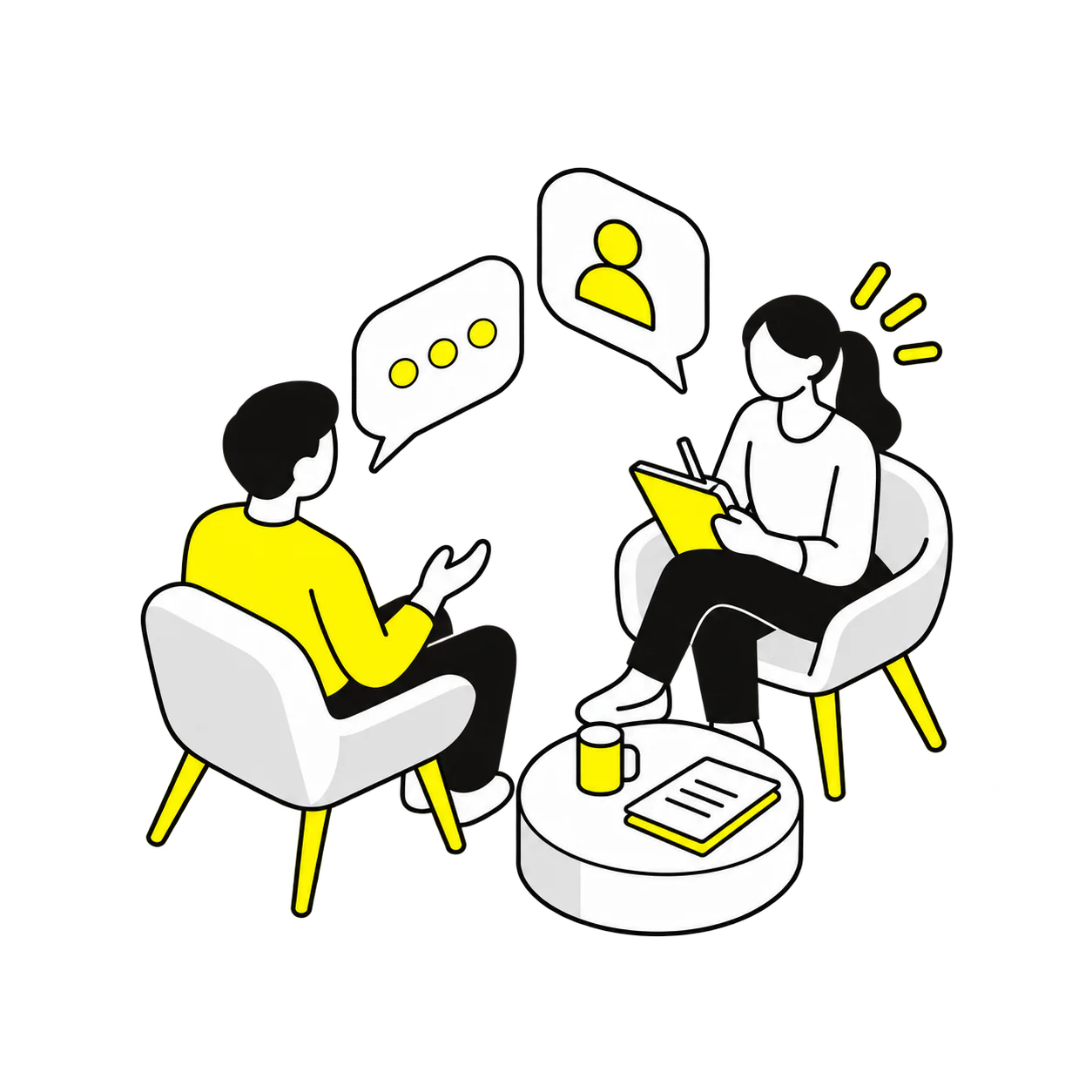
A UX research agency finds out what your users need and why they behave the way they do, using interviews, usability tests, surveys and analytics, then turns the evidence into findings your team can act on. At Wolfpixel the research is run by senior product designers, so findings are written for the people who will design and build the fix.
How much does UX research cost?
UX research is priced as a fixed scope per study or as a monthly retainer, so you know the full price before we start. The price depends on the number of participants, the methods, how hard your users are to recruit and the number of markets. Participant incentives are billed at cost. We share a written quote after a free 30-minute call or within 4 business hours of your brief.
How long does a UX research project take?
Most UX research projects take 2 to 6 weeks, depending on scope. A focused usability study sits at the short end; generative research with several user groups sits at the long end. You get a dated plan after the first call and findings at every weekly check-in, not only at the end.
Who runs the research?
Senior product designers with 5+ years of experience in SaaS and digital products plan the study, run the sessions and synthesize the findings, reviewed by our product design lead. The same team can design the fixes afterwards, so nothing is lost in a handover.
How do you recruit research participants?
We screen, recruit and schedule participants who match your users and buyers, including your own customers, churned users and hard-to-reach B2B roles. We write the screener with you, and participant incentive costs are billed separately at cost.
Which UX research methods do you use?
User interviews, moderated and unmoderated usability testing, surveys, analytics and session review, card sorting and tree testing, concept and prototype testing, and personas and jobs-to-be-done. We choose methods for the question you need answered, not the other way round.
What is the difference between UX research and a UX audit?
UX research learns from your users through interviews, tests and surveys. A UX audit is an expert review of your product against usability principles, your analytics and session recordings, with no new participants. Start with research when the question is what users need; start with an audit when you need to know what to fix first in a live product.
What is the difference between UX research and usability testing?
Usability testing is one UX research method: watching people try to complete tasks in your product or prototype. UX research is broader and also covers interviews, surveys, analytics and personas, including questions about what to build, not just whether the current design works.
What do I get at the end?
An insights report and readout deck with findings ranked by impact and tied to decisions, session recordings with highlight clips and notes, and evidence-based personas and journey maps. You own all files and IP on delivery, and we sign an NDA before you share details.
How do findings turn into design?
Each finding names the decision it informs and a next step. Because the research is run by product designers, you can move straight into a UI/UX design sprint with the same team, or hand the findings to your own designers with everything they need.
When should we do UX research?
Before you commit a roadmap or a redesign, before entering a new market or segment, and whenever analytics show a problem you cannot explain. Small, regular studies beat one big study a year, which is why many teams keep us on a light research retainer.
How many revisions do I get?
The research plan has unlimited revisions before fieldwork starts. If two rounds and a reset call do not land the brief, you don’t pay for that brief.
Can you research users in other countries?
Yes. Sessions run remotely, so we research users in the US, the UK, the EU, the UAE and APAC, recruit locally and schedule across time zones. For non-English markets we plan language support in the brief.
Do you work with companies outside Bangladesh?
Yes. The team is based in Dhaka and works with SaaS and digital product companies in the US, the UK, the EU and the UAE. Check-ins run on video weekly, with recordings and notes shared async.




























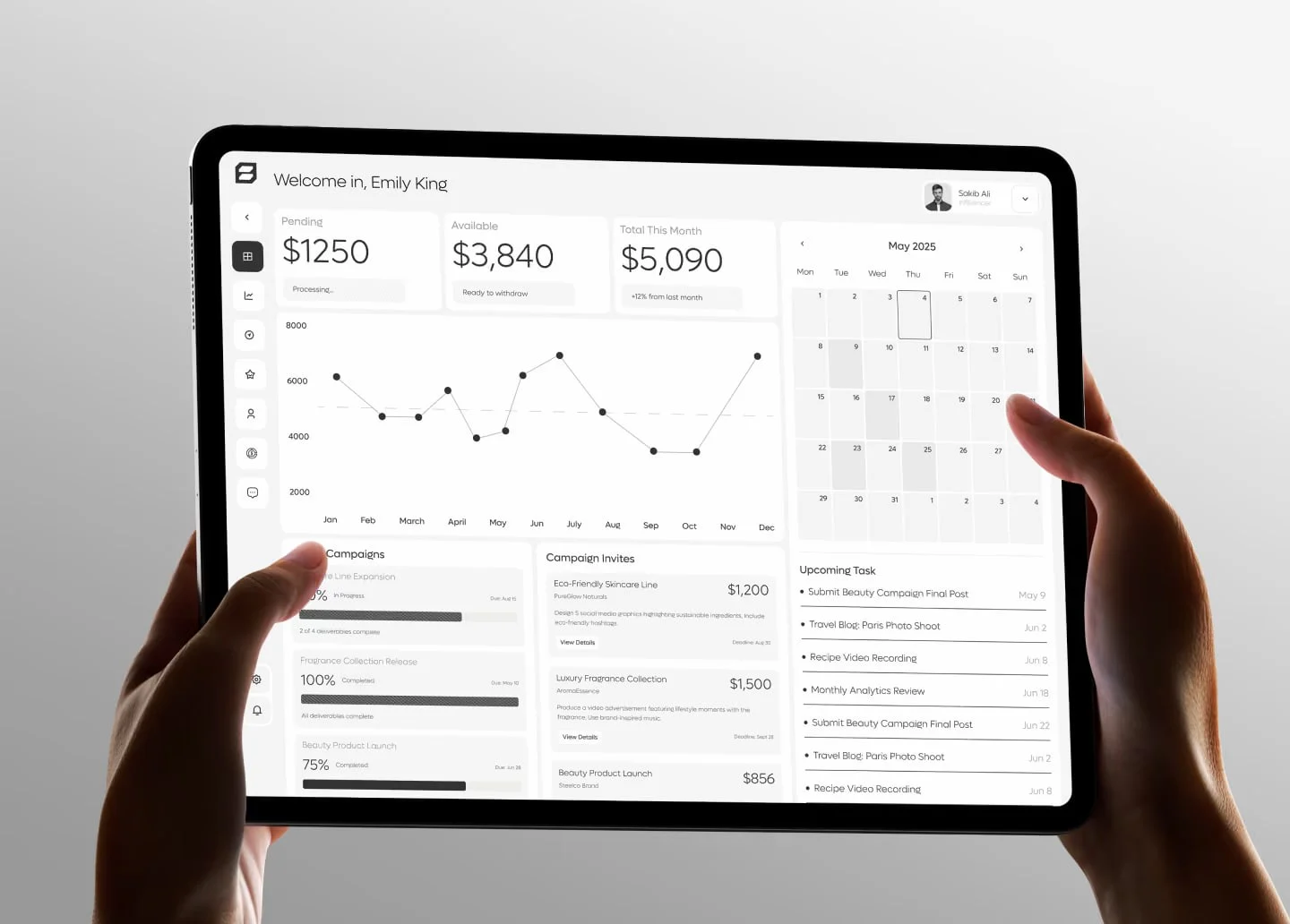
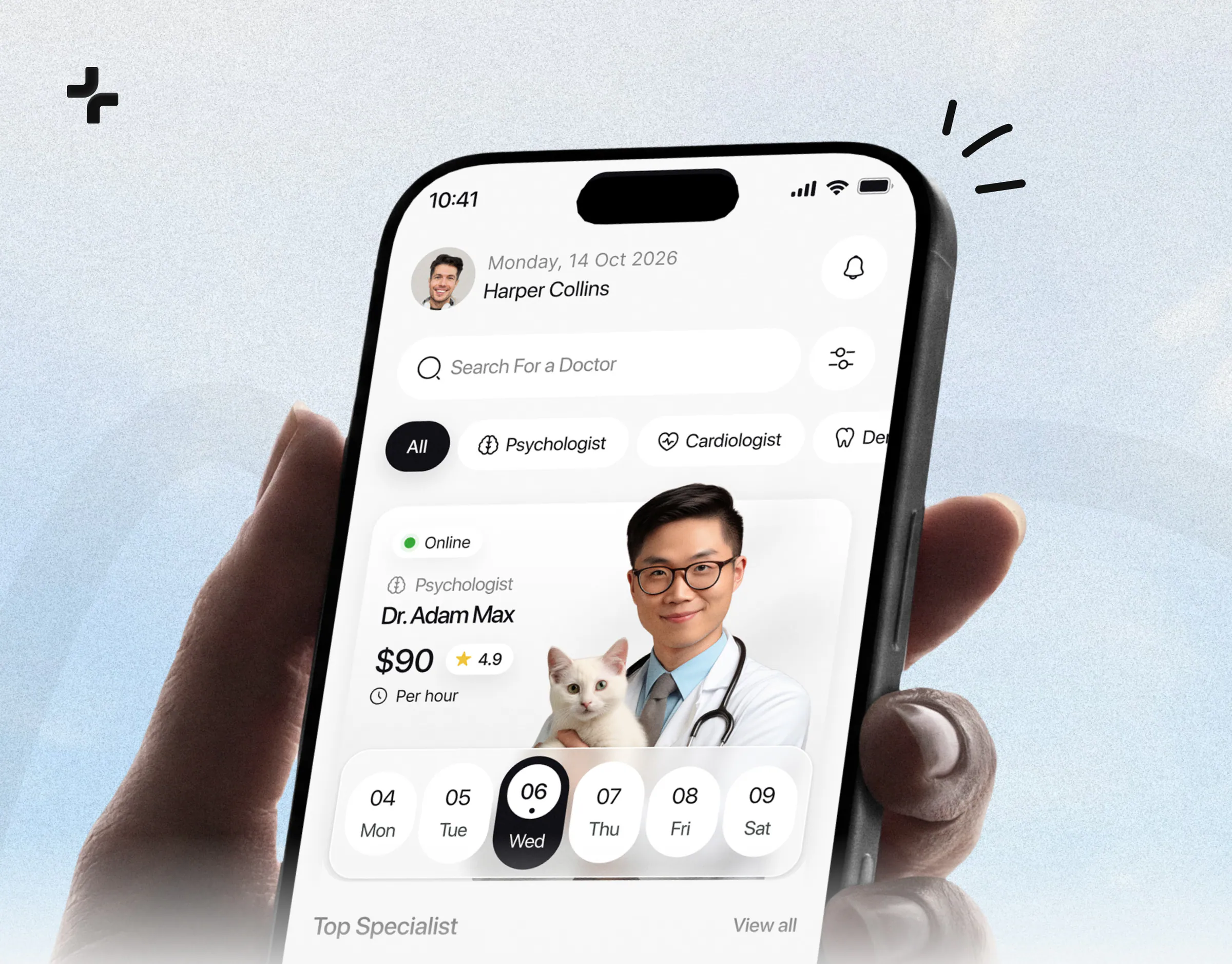
 UI design and prototyping (see UI/UX design)









































 +1 (501) 550-1093



